The Hokuō® Journal

Bone Broth For Pets

Bone Broth for Dogs and Cats: Liquid vs Dehydrated?

av Christian Adamsen på maj 13 2025
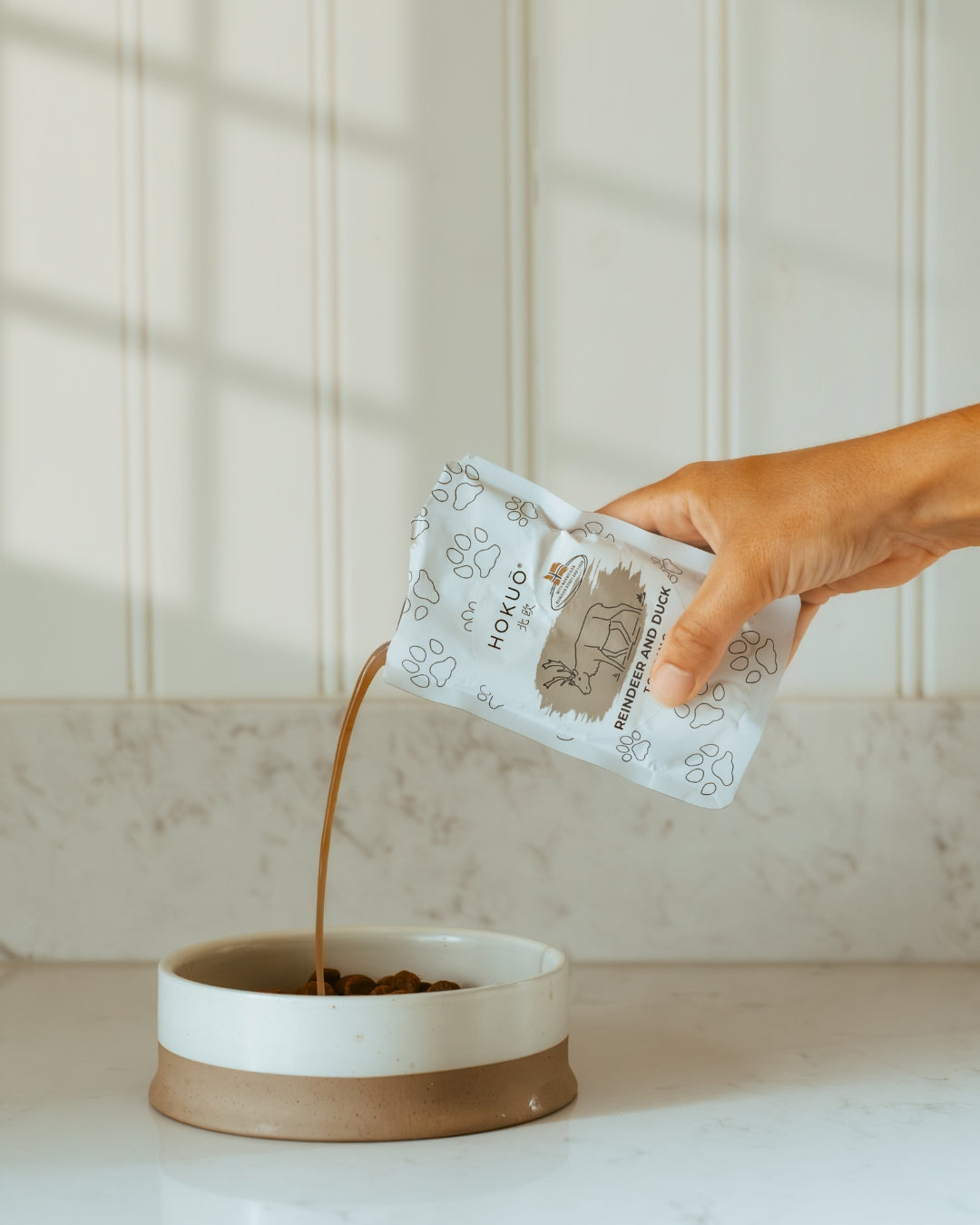
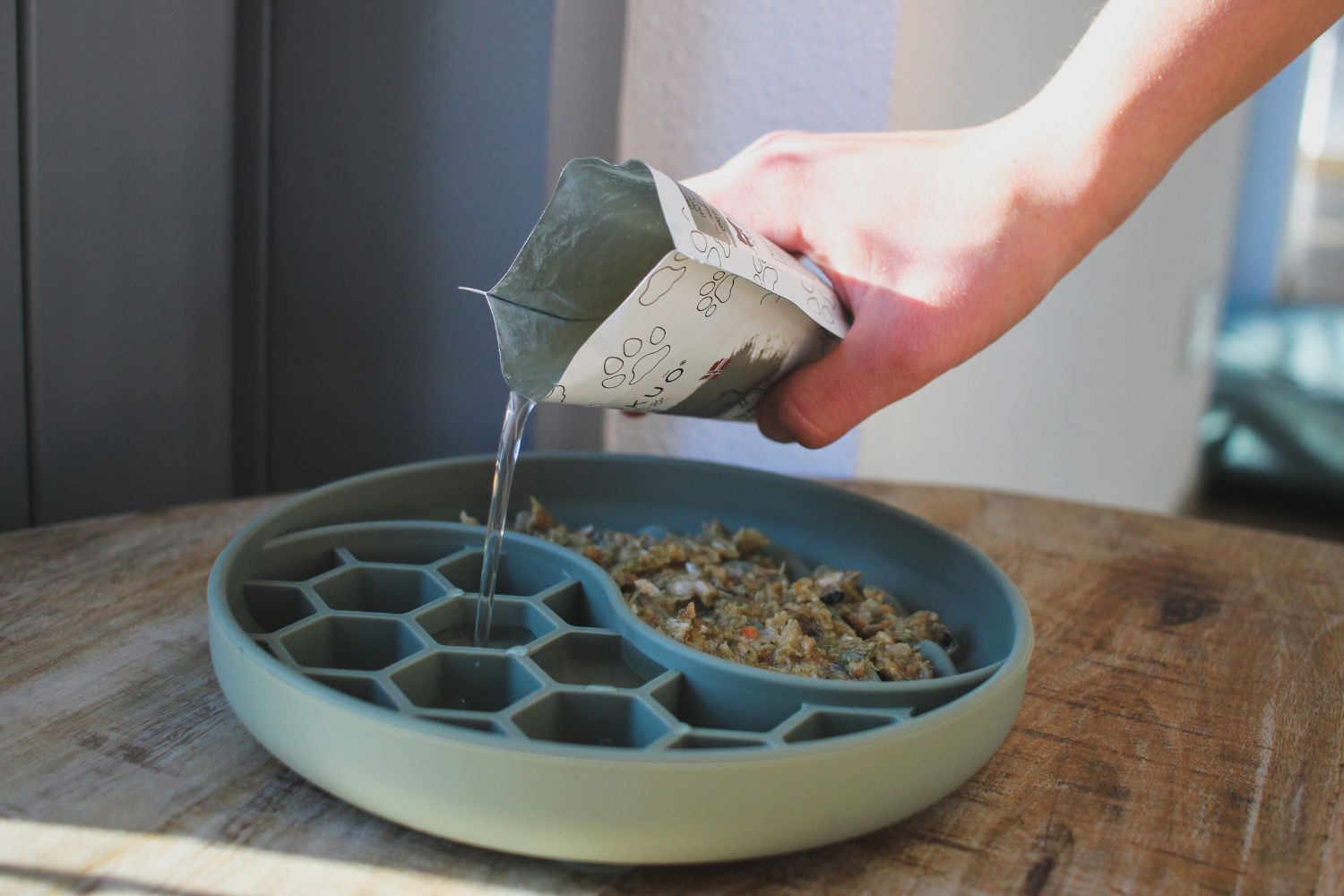
Bone broth has been passed down through generations for a reason. When made properly, it's not just a warm liquid with flavour — it's an extraction. A careful process of low-simmering bones and connective tissue over time, to draw out the nutrients the body can absorb and use. For pets, it can be a powerful addition to their diet. But as with anything: not all bone broths are made equally. Bone Broth For Dogs and Cats - Real Bone Broth vs Flavoured Water True bone broth takes time. It’s simmered slowly, often over 12 to 24 hours, to allow for a deep release of amino acids, collagen, and minerals from the bones. The difference between this and a quick-cooked stock is more than just taste. Shorter cooking times extract some flavour, but not the nutrients your pet’s body needs. These fast versions are closer to flavoured water than real bone broth. If it’s done too fast, with the wrong bones, or without proper preparation — it may smell nice, but it won't carry the benefits. Table Of Content Real Bone Broth vs Flavoured Water The Role of Bone Type and Cuts Why Animal Lifestyle Matters Why Human-Grade Matters Dehydrated Bone Broth vs Liquid Bone Broth Nutritional Benefits: A Deeper Dive Real bone broth is made with care, not shortcuts. The Role of Bone Type and Cuts Many people associate a good bone broth with how gelatinous it becomes after cooling. While gelatin is a sign of natural collagen being extracted, it’s not the only marker of a well-made bone broth. The amount of gelatin depends on the type and part of the bone: Chicken feet and beef knuckles are especially rich in collagen, which gives the bone broth that "jelly" texture when cooled. Chicken carcasses or meaty rib bones might yield a thinner bone broth, but still full of amino acids and minerals. Long bones (like elk femurs or reindeer legs) offer a complex mineral profile, even if they result in a lighter gelatin structure. Some bones are rich in collagen, others in amino acids or key minerals. That’s why we use a blend of different bones — it creates a more balanced and nutritionally complete bone broth for dogs and cats. What matters most is how the bones are treated — not just in the pot, but how the animals lived. Why Animal Lifestyle Matters We choose wild and free-range animals because you can taste and see the difference in the bones. Wild reindeer roam the Norwegian mountains, eating lichen, moss, and forest plants. Their bones are denser, and their tissues are richer in micronutrients. Elk, also wild, forage a natural diet and move freely across vast areas. This strengthens their skeleton and connective tissue — ideal for bone broth. Free-range chickens and turkeys move naturally and eat: insects, herbs, and roots. This gives better marrow and richer nutrients. Grass-fed beef bones come from animals raised the way they should be — grazing on pasture, not confined. That difference is reflected in the mineral content of their bones. Irish lamb graze freely on open pastures, just as nature intended. Their bones are clean, mineral-rich, and ideal for creating a gentle, mild-flavoured bone broth. A bone broth is only as good as what it comes from. And we only use bones from animals that lived the life they were meant to. Why Human-Grade Matters We don’t use off-cuts, by-products, or category 3 materials. Only bones and ingredients that are fully human-grade — from sourcing and transport to processing. This gives us full control over quality and transparency, and gives your pet a product you can feel confident about. Dehydrated Bone Broth vs Liquid Bone Broth With more dehydrated bone broths for dogs and cats appearing on the market, it’s easy to wonder: which is better? Dehydrated bone broth is typically made by heat-drying already-cooked bone broth or by extracting nutrients using high temperatures and spray-drying. These methods make it convenient and shelf-stable — but not without trade-offs. Heat-sensitive compounds like collagen, amino acids, and minerals can degrade during the drying process. These include nutrients that play an important role in gut health and digestion — one of the core reasons we give bone broth in the first place. The flavour and scent are often milder or altered due to processing. Mixing with water doesn’t fully recreate the texture and depth of a true liquid bone broth. In contrast, liquid bone broth is slow-simmered from the start.To keep it safe without preservatives, we use a short steam-based method called autoclaving. It gently steam pressure to remove bacteria — making the bone broth shelf-stable, without compromising its natural flavour or nutrients.For pets, that means: Better digestibility Stronger scent and flavour (which picky eaters love) More preserved nutrients like glycine, glucosamine, proline, and key minerals Nutritional Benefits: A Deeper Dive Want to understand what bone broth actually does for your pet? Read our in-depth guide written in collaboration with a certified pet nutritionist here . From gut support and joint health to immune function and hydration, real bone broth supports it all. Benefits of Bone Broth for Your Pet's Health Read Now The Convenience Dehydrated bone broth is often praised for convenience — but it’s not the only option. Our bone broths are available in both 400ml and 100ml pouches. The 100ml size is perfect for travel, enrichment, or freezing — so you can bring real bone broth with you anywhere. Real bone broth is made with care, not shortcuts. At Hokuō®, we honour the process — and your pet. Every batch is made with traceable, human-grade ingredients, sourced within Europe, and slow-simmered in small batches. Because better bone broth starts with better bones. See Product See Product See Product See Product See Product See Product See Product See Product Want to read more? The First Reindeer Bone Broth on the Market – And It's Wild! Read more Why Alaria Esculenta is a Powerhouse of a Seaweed Read more Dandelion Extract Benefits for Cats & Dogs Read more
Freeze dried treats for cats and dogs

How Are Freeze Dried Treats for Cats and Dogs Made?

av Marleen Meindersma på maj 10 2025
They’re light. Crisp. Smell like fresh ingredients. No fridge required. No additives needed. Just clean, raw food and gently preserved. You might have seen freeze dried treats for cats and dogs before. Maybe even used them as a high-value training reward or a daily snack. But have you ever wondered how they’re actually made? In this blog we’ll take you down this process… Read along! It’s easy to imagine a machine doing all the work. You load the ingredients, press a button and walk away. But the truth? It’s not that simple. Freeze drying is a slow, careful process. And when done right, it’s more than just preservation. It’s protection. Of nutrients. Of texture. Of what makes the food worth feeding in the first place. At Hokuō® we believe that what stays in matters just as much as what’s taken out. And behind every one of our freeze dried treats for cats and dogs is a quiet kind of expertise. The kind you only build through years of doing things the hard way, on purpose. Let’s take you inside that process. But before we step inside the process, there’s something else worth understanding... Overview Freeze drying = the closest thing to raw What is freeze drying? Why does heat matter so much? How are our freeze dried treats for dogs and cats made? A decade of quiet refinement Why freeze dried treats for cats and dog matter In the end? Freeze drying = the closest thing to raw Freeze drying is not simply a way to preserve food. It’s more than that. It’s the closest and cleanest alternative to a raw food diet - offering fresh, almost untouched ingredients, with nothing lost but moisture. And even if you only use freeze dried as a topper or snack, they still add value to your pet’s diet. While most pet foods go through heat and processing to ensure safety and shelf life, freeze dried food and treats stay true to their original form. No reshaping, no extra steps. Just raw ingredients, gently preserved. The infographic shows where freeze dried sits on the scale of processing - a simple way to see the difference. This difference is worth understanding. Because while raw food nourishes by nature, ultra-processed products (even when labeled ‘healthy’) can quietly undermine your pet’s well-being over time. Source: The Forever Dog | Intergraph: Martin Fredskov for Hokuō® And that’s why we’ve chosen it. To preserve what matters , and to make it easy to bring species-appropriate treats into your pet’s life - in a way that fits yours. Want to explore a little further?Small steps toward fresher food can bring a lot of meaningful benefits. Whether it’s a full raw diet or simply adding freeze dried toppers and treats... Every bit of real, unprocessed nutrition helps. There’s no need for all-or-nothing thinking. We wrote more about this idea, for anyone curious about finding balance and doing what’s possible. Click here to read blog What is freeze drying? So, what is freeze drying, really? In simple terms, freeze drying (or lyophilization if you want the scientific term) is a preservation method that removes moisture from food… without ever heating it. Originally developed by NASA to preserve food for astronauts, the goal was clear: keep the food shelf-stable, lightweight and nutritionally intact - even in space. Turns out, those same goals apply beautifully to pets here on Earth. Here’s how it works: The ingredients are frozen, locking everything in place. They’re placed into a vacuum, where the ice gently vaporizes. We’re skipping the liquid stage! What’s left is the dry version of the original. Same shape. Same smell. Same nutrients. Why does heat matter so much? You might wonder why heat matters so much. The answer is simple but important. Heat doesn’t just remove moisture. It also changes the food itself. When proteins, fats and sugars are exposed to heat, chemical reactions begin - a process known as  glycation . These reactions can create compounds that the body struggles to break down. Over time, they may quietly build up, contributing to inflammation, joint issues, digestive troubles and even chronic conditions like diabetes, early aging or certain types of cancer. That’s what makes freeze dried treats for cats and dogs so different. No cooking. No shrinkage. No shortcuts. They’re not processed - just preserved. How are our freeze dried treats for dogs and cats made? Let’s take you with us - this is what the process looks like at Hokuō®... We start with raw ingredients. Fresh duck hearts. Reindeer liver. Rabbit ears. Always sourced from trusted European suppliers - mainly in Norway, Finland, and Estonia. Places where transparency, animal welfare, and quality control still mean something. And always of human-grade quality. The same standard you’d expect from food meant for your own plate. Because when the base is good, the outcome can be excellent. A decade of quiet refinement Then, we work with our European factory, which has spent over a decade refining the art of freeze-drying. They know - from years of experience - how to handle every part: muscle meat, organs, bones, even the furry parts . Each has its own moisture profile, structure, and drying needs. How to dry venison without losing its scent. How to preserve the delicate shape of a rabbit ear. How to keep nutrients intact, batch after batch. Each product is handled differently - depending on its moisture, structure, and size. Because not everything should be treated the same. Once the process is complete, the treats are shelf-stable, lightweight and dry to the touch. However it is still biologically raw . No preservatives needed. No fridge required. And because the structure of the meat is preserved, the flavor and scent remain incredibly appealing to pets. The result is a treat that’s as close to nature as possible. Just with the moisture taken out! Why freeze dried treats for cats and dog matter We’re not here to chase trends. We’re here to offer something that respects an animal’s natural diet - and does it with care. Our freeze dried treats for cats and dogs offer: Pure ingredients, nothing unnecessary. Simple storage - no fridge, no fuss. Honest nutrition, preserved without heat. Biological safety - thanks to the quality of both the ingredients and the process. But none of it matters without good ingredients. Even the best technique can’t fix what wasn’t right to begin with. That’s why we always start with sourcing. Everything else follows. In the end? Freeze drying isn’t just about removing moisture. It’s about keeping what matters - and letting go of what doesn’t. At Hokuō®, every treat we make begins with respect . For the animal it came from. For the pet it’s meant for. And for the process that makes it possible. Simple, good food. Handled with care. That’s all it ever needed to be. View product View product View product Explore all our freeze-dried products The Author: Marleen Meindersma Freelance blog writer for Hokuō®
homemade lickmat recipes

4 Homemade Lickmat Recipes for Cats & Dogs: Japandi-Inspired, Simple & Healthy

av Christian Adamsen på maj 01 2025
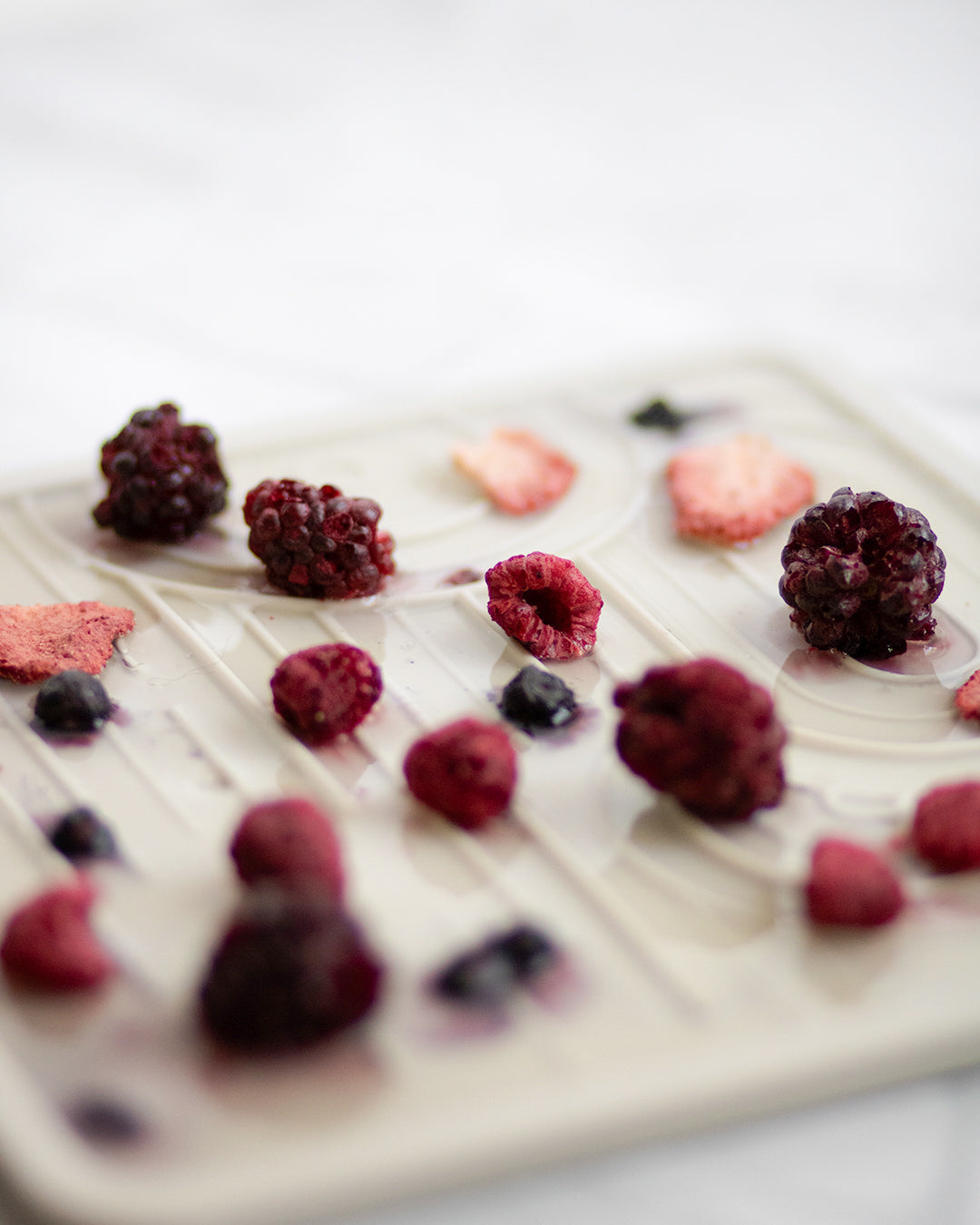
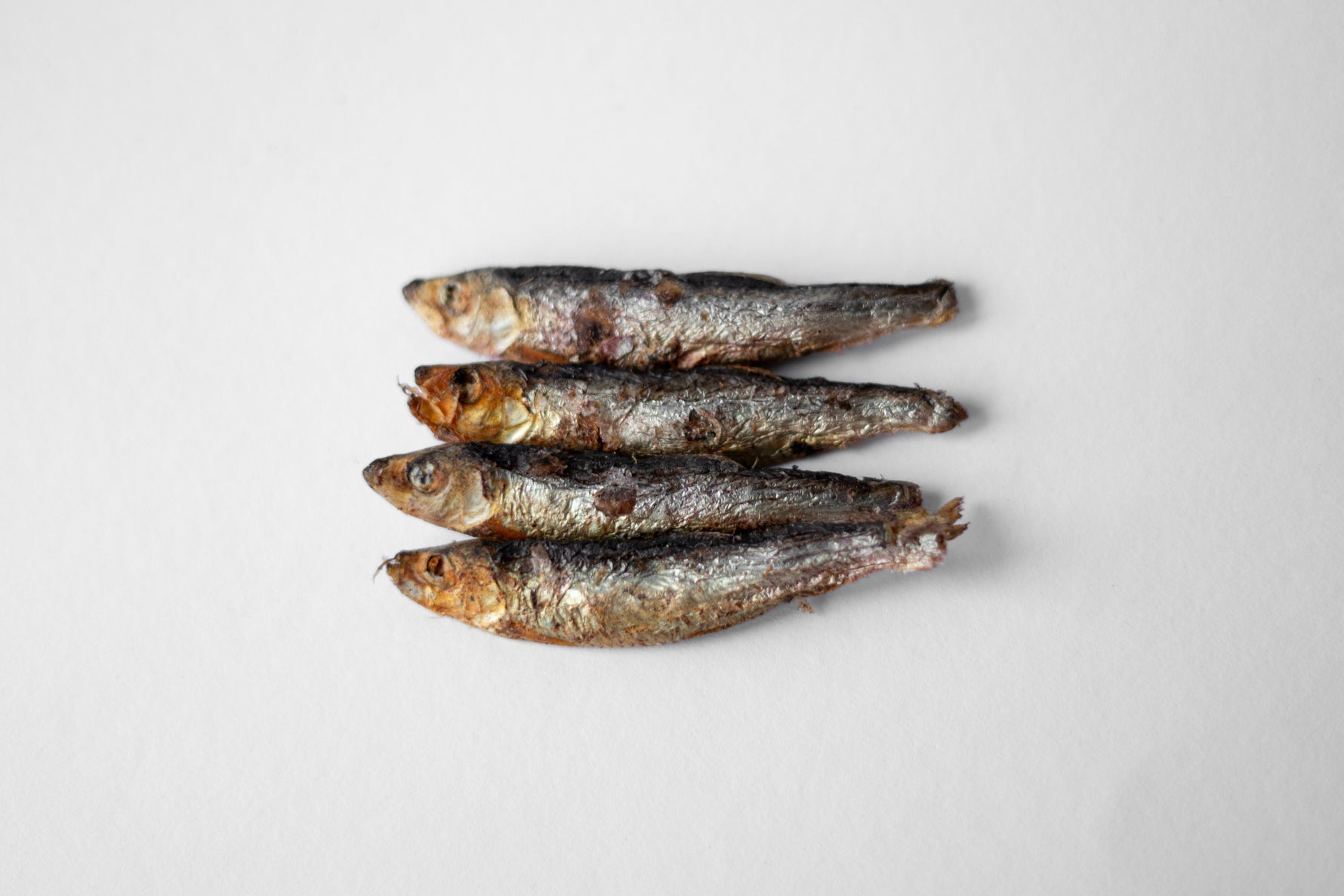
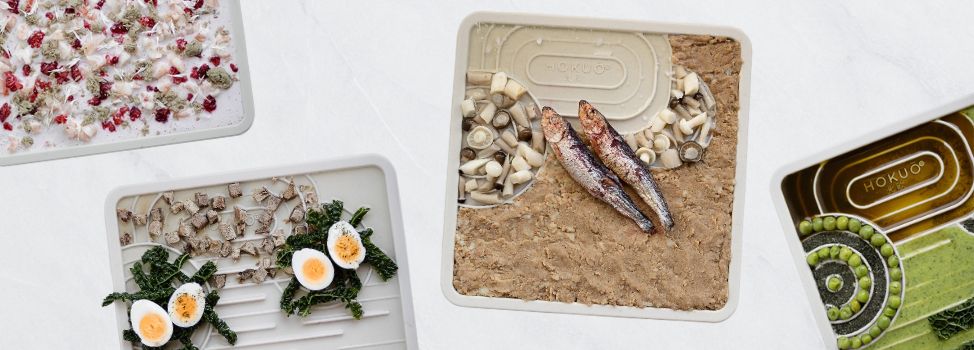
Imagine stepping into a Japanese garden — a place so still and beautiful that your body just decides to relax. That was the feeling I had the first time I visited a Karesansui garden in Japan. Complete calm. A sense of peace that stays with you. When I began designing the first Hokuō® lickmat, I explored many ideas. But none felt truly right. I wanted to create something original — something that reflected my love for Japanese culture, and at the same time, honoured my Scandinavian roots. A Memory That Became a Moment One Saturday night, I woke up with that garden memory fresh in my mind. I knew that was it. That was the feeling I wanted to recreate. I called my graphic designer, and together we worked through the night. By morning, the Hokuō® Karesansui Lickmat was born.The depth: the lines, the texture — it’s all created to help your pet calm down. To gently activate the nervous system through licking. Because as the tongue follows the soft ridges of the Karesansui, something shifts. Calm begins to settle in. Just like the feeling I had walking through those quiet gardens in Japan. A Ritual Rooted in Care If you know the brand, you know nothing is left to chance. I had a clear vision: a product that didn’t just look beautiful, but felt purposeful. Designed with texture and depth to gently stimulate your pet’s nervous system — a tool for calm and enrichment. And I knew this launch had to go deeper. It had to include my passion for pet nutrition. So I reached out to a Dutch pet nutritionist and shared my idea. I asked if she’d like to collaborate and bring it to life — and here we are. A Journey in Four Recipes So I’m very proud to introduce you to four homemade lickmat recipes, Japandi inspired: The calm of green tea, the comfort of ramen, the new life of cherry blossom and the warmth of shiitake. Each one is created for both cats and dogs, using whole ingredients that nourish gently — and beautifully. Experience the texture and the flavours of each recipe to find calm — just like I did the first time I walked through a Japanese garden. This space is yours to be present, to nourish your cat or dog in a calming and intentional way. No rush. No pressure. Just the joy of sharing a peaceful, beautiful moment together.Ready to create something meaningful? Let’s dive into the 4 original homemade lickmat recipes we created just for you and your pet! Explore the Four Recipes The Calm of Green Tea The Comfort of Ramen The New Life of Cherry Blossom The Warmth of Shiitake What You'll Need 1/4 leaf green cabbage 30g frozen peas 50ml water 1 tsp Hokuō® Nagomi 1 tsp Hokuō® Organic Alaria Esulenta (seaweed) Inspired by the calm of a Japanese tea moment.I wanted this recipe to reflect some of the tea experiences I’ve had in Japan — quiet, grounding, and full of intention. Using green cabbage and peas for gentle digestion, the Hokuō® Nagomi blend for calm, and Hokuō® Organic Alaria Esculenta for its natural minerals and antioxidants, it’s a simple way to help your pet slow down — and feel good doing it. How to Make It Boil the cabbage (set aside two pieces for decoration) and the frozen peas (save a few for topping) in gently boiling water until soft. Blend the cabbage and peas with 30 ml of the water until smooth. Mix 1 tsp of Nagomi with the remaining 20 ml of water . Place everything onto the lickmat — just like in the photo, or in your own way. Did you know: Green cabbage is a source of vitamin C. Peas contain fiber, iron, zinc, vitamin E, and vitamin C. Nagomi is made from chamomile, passion flower, lemon balm, and valerian root. Alaria Esculenta is a freeze-dried seaweed full of minerals, fiber, and vitamins. Shop Now Shop Now Shop Now What You'll Need 75ml Hokuō® Elk Bone Broth 1/4 leaf green cabbage 2 pieces Hokuō® Red Deer Heart 2 quail eggs (or 1 chicken egg) A sprinkle of Hokuō® Organic Alaria Esulenta (seaweed) Inspired by one of Japan’s beloved comfort foods.Ramen is often one of the first things you truly feel when arriving in Japan — warm, deep, and full of care. I wanted to capture that same feeling here, especially with cats in mind , using nutrient-rich Hokuō® Red Deer Heart. This recipe is a nod to that unforgettable moment when you taste the best ramen of your life — comforting, satisfying, and made to be remembered. How to Make It Boil the green cabbage in gently boiling water for about 10 minutes. In the same pan, boil 2 quail eggs for 4 minutes (make a small hole at each end to prevent cracking). Rinse the eggs with cold water and peel carefully . Slice them in half, lengthwise. Cut the cabbage into small strips. Slice the red deer heart into bite-sized pieces. Pour the elk bone broth evenly across the lickmat. Sprinkle the red deer heart over the upper half of the mat. Place the cabbage and eggs as shown in the photo. Finish with a sprinkle of seaweed over half of the eggs. Did you know: Elk broth is made from slow-simmered elk bones and is full of natural collagen and nutrients. Green cabbage is rich in vitamin C. Red deer heart contains iron, vitamin B12, zinc, and omega-3s. Quail eggs are packed with protein, vitamin B, iron, and potassium. Alaria Esculenta is a freeze-dried seaweed with minerals, fiber, and vitamins. Shop Now Shop Now Shop Now Shop Now What You'll Need 50ml kefir 40g raspberries 40g shrimp 1 Hokuō® Duck & Raspberry 1 tsp dried flower petals Inspired by the cherry blossom season — a time of new life.Every spring, Japan turns pink. The cherry blossom bloom is one of the biggest events of the year, and if you’ve been there, you know why. For me, it’s always felt like a fresh start — soft, light, and full of new energy. That’s the feeling I wanted to bring into this recipe. With ingredients like Hokuō® Duck & Raspberry, shrimp , and edible flowers, it’s light, nourishing, and perfect for the change of seasons. How to Make It Boil the shrimp in gently boiling water for about 10 minutes. (Never feed raw shrimp!) Blend the kefir and 3 raspberries until smooth. Chop the cooked shrimp and the remaining raspberries into small pieces. Pour the kefir and raspberry mixture evenly over the lickmat. Sprinkle the shrimp and raspberries across the mat. Crumble one duck/raspberry cookie over the top. Finish with a light scattering of edible flower petals. Did you know: Kefir is packed with probiotics and supports digestion. Raspberries are rich in antioxidants, vitamin C, and compounds that support heart health. Shrimp are a good source of protein, omega-3s, and antioxidants. Duck & Raspberry combine high-quality duck meat with freeze-dried raspberries. Shop Now Shop Now Shop Now What You'll Need 2 small to medium sized potatoes 1 tbsp Hokuō® Organic Shiitake Powder 20ml water 30ml Hokuō® Reindeer Bone Broth 40g shimeji mushrooms 2 Hokuō® Taste Sprats & Beetroot Where shiitake meets childhood comfort.Japanese food culture is really my thing — simple ingredients that somehow create deep, unforgettable flavour. I knew shiitake had to be part of this journey. And being Danish, mashed potatoes were a regular at the dinner table, especially at my grandma’s. So this recipe is a mix of my two food worlds: my love for Japanese mushrooms, and the comfort of something I grew up with. How to Make It Boil the potatoes in gently boiling water for about 15 minutes, until soft. Boil the shimeji mushrooms in a separate pan for about 15 minutes. (Never feed raw mushrooms!) Mash the potatoes with shiitake powder and water until smooth and combined. Chop the cooked shimeji into small pieces. Spread the potato mash over the bottom half of the lickmat. Place the shimeji mushrooms in the texture circles, and pour the broth over the top half. Finish with the sprats placed gently in the middle. Did you know: Potatoes are rich in vitamin A, vitamin C, vitamin B6, iron, and potassium. Shiitake powder is full of antioxidants and amino acids. Reindeer bone broth is slow-simmered and packed with natural collagen and nutrients. Shimeji mushrooms contain vitamin B, iron, and powerful antioxidants. Sprats with beetroot are loaded with omega-3s, vitamin D, and B12. Shop Now Shop Now Shop Now Shop Now Make It Your Ritual I truly hope this inspires you to explore new ways to nourish your pet — or even to create your own version of these nutritionist-developed recipes. Every ritual is different. Share yours with us on social media.Tag @hokuo.pet on social media and use #KaresansuiMoments to join the journey towards homemade lickmat recipes. The First Reindeer Bone Broth on the Market – And It's Wild! Read more Why Alaria Esculenta is a Powerhouse of a Seaweed Read more Dandelion Extract Benefits for Cats & Dogs Read more
Reindeer bone broth for pets

The First Reindeer Bone Broth on the Market – And It's Wild!

av Marleen Meindersma på mars 20 2025
Imagine a place where nature runs free… Snow-covered landscapes stretching as far as the eye can see, crisp air and herds of reindeer moving gracefully through the Norwegian wilderness. This is where the story of Hokuō®’s reindeer bone broth for pets begins. Sourced from wild Norwegian reindeer, this bone broth isn’t just another pet supplement. It’s a reflection of the pure, untamed nature it comes from.For the first time ever, reindeer bone broth is available for cats and dogs. And trust us, it’s unlike anything else. Overview The Norwegian reindeer: a symbol of the wild Why reindeer bone broth from Norway? Why bone broth for dogs and cats is so great How to add reindeer bone broth to your pet’s diet Ready to try something truly special? The Norwegian reindeer: a symbol of the wild Deep in the Arctic wilderness, Norwegian reindeer roam freely, living as they have for centuries. These incredible animals thrive in one of the most untouched landscapes on earth. Feeding on nutrient-rich mosses, herbs, ferns and wild grasses. They are never confined, never fed artificial diets and never exposed to unnecessary antibiotics.  They are nature at its finest… strong, resilient and perfectly adapted to their surroundings. This wild, natural lifestyle makes their bones incredibly nutrient-rich. Packed with collagen, essential minerals and amino acids, they hold the very essence of Arctic nutrition, making them the perfect foundation for our reindeer bone broth for pets. Why reindeer bone broth from Norway? So, why did we choose reindeer bones from Norway? Well, Norway has this really strong commitment to doing things right. And that goes for everything from how the reindeer are treated to how the bones are collected. They hold themselves to super high standards, and honestly, we wouldn’t settle for anything less. Every ingredient in this reindeer bone broth is actually human-grade, which means it’s safe, pure and packed with the kind of nutrition you’d want for yourself. Norway’s strict rules and deep respect for nature ensure that every batch of bone broth is clean.  That means: no contaminants, no artificial additives and definitely no hormones. By choosing Norwegian reindeer bones, we’re not just going for quality. We’re also supporting sustainability and ethical sourcing. "We want the very best for your pet, and with Norwegian reindeer, we’re giving them exactly that." Something wild, clean and natural. Just like nature intended. See Reindeer Bone Broth in the shop Why bone broth for cats and dogs is so great So, why should you add this wild Norwegian reindeer bone broth to your pet’s diet? Well, as explained before, it's packed with natural benefits your pet will love. Honestly, any type of bone broth is one of those natural superfoods that pets can’t get enough of. And for good reason! Whether it's joint support, digestive health, or hydration, bone broth does it all. It’s packed with nutrients that really make a difference for your pet’s health. Making it a great addition to their diet. Let’s go through some of the benefits: Keeps joints strong Pets of all ages need joint support. And bone broth helps keep them strong and flexible. With collagen, glucosamine and chondroitin, it’s perfect for senior pets or active dogs and cats who need a little extra care to stay mobile and comfortable. Supports a happy, healthy gut A healthy pet starts with a healthy gut! Bone broth is rich in gelatin, which helps maintain the gut lining and supports smooth digestion. It’s especially helpful for pets with sensitive tummies or digestion issues. Boosts the immune system Bone broth is full of essential amino acids and minerals that help support your pet’s immune system, keeping them strong and ready to stay healthy throughout the year. Encourages hydration and appetite Not all pets drink enough water, and some can be picky eaters. Bone broth adds extra flavor to their meals and helps with hydration, making it an easy and delicious way to get nutrients in while keeping them happy. Want to learn more about the benefits of bone broth?  Check out our other blog, where we dive deeper into how bone broth is an amazing, all-natural supplement for your pet. How to add reindeer bone broth to your pet’s diet Getting this reindeer bone broth into your pet’s routine is as simple as it gets. Here are a few fun ways to try it out: Mix it into meals: just a splash of broth, and you’ve turned any meal into a tasty, nutrient-packed feast. Serve it warm: it’s perfect for encouraging hydration, especially on chilly days when they need a little extra comfort. Freeze into treats: pour the broth into an ice cube tray for a cool, healthy treat your pet will love on those hot days. Every drop is packed with natural goodness, and your pet will go crazy for the rich flavor. It’s a simple way to give them a nutritional boost while keeping mealtime exciting! Ready to try something truly special? This isn’t just another pet supplement. It’s the real deal! Wild, natural and packed with everything your pet needs to feel their best, this reindeer bone broth is a game-changer. Whether it's supporting their joints, promoting gut health or giving their immune system a little extra boost… It’s the kind of nourishment your pet truly deserves.Give it a try and watch your pet fall in love with it! Shop your Reindeer Bone Broth here! The Author: Marleen Meindersma Freelance blog writer for Hokuō®
Alaria Esculenta seaweed for pets

Why Alaria Esculenta is a Powerhouse of a Seaweed

av Marleen Meindersma på mars 17 2025
When it comes to pet nutrition, seaweed may not be the first thing that comes to mind. But Alaria Esculenta , an incredible organic seaweed for pets , is about to change that. This seaweed, harvested from the clean, cold waters of Norway, is a natural powerhouse that’s packed with nutrients your pet needs for overall health. Let’s dive into the Norwegian seaweed benefits and see why Alaria Esculenta should deserve a place in their bowl!  Overview Why seaweed for dogs and cats is gaining popularity Why Iodine is so important for dogs and cats Moderation is key when it comes to Iodine! Key benefits of Alaria Esculenta Why Choose this organic Norwegian seaweed? How to use Alaria Esculenta for your pet Ready to boost your pet’s health? Why seaweed for dogs and cats is gaining popularity Seaweed is becoming a go-to natural pet supplement. And for good reason! Rich in vitamins, minerals and antioxidants, it offers a nutrient-dense boost that supports overall wellness. Many pet owners are turning to seaweed for dogs and cats as a way to fill in the nutritional gaps that can sometimes be missing from regular pet food.A standout feature of seaweed is its high iodine content. This vital mineral plays a crucial role in maintaining thyroid function and metabolism, making it a valuable addition to your pet’s diet. Why Iodine is so important for dogs and cats Iodine is essential for your pet’s thyroid and metabolism. Without enough iodine, dogs can develop hypothyroidism, which can cause symptoms like weight gain, low energy and skin issues. "Unlike humans, dogs are not efficient at storing iodine in their bodies, meaning their dietary iodine needs are higher than you might realize." Cats, on the other hand, are better at storing iodine, but they still benefit from proper supplementation.Alaria Esculenta is a fantastic natural way to supplement iodine in your pet’s diet.  Not only is it rich in iodine, but it also contains prebiotic fibers, amino acids and phytonutrients that promote overall health. See Alaria Esculenta in shop Moderation is key when it comes to Iodine! While iodine is vital for thyroid health, it’s important not to overdo it. Too much iodine can lead to thyroid imbalances like hyperthyroidism or hypothyroidism.  So, always be sure to stick to the recommended dosage of Alaria Esculenta to ensure your pet gets the right amount. Key benefits of Alaria Esculenta Beyond its iodine content, Alaria Esculenta offers a range of other health benefits that can make a big difference for your pet. Here’s how it helps: Boosts immunity and vitalityPacked with vitamins A, B1, B3, B9, B12, and E, Alaria Esculenta strengthens your pet’s immune system. It also contains minerals like calcium, potassium and iron to promote vitality. The high protein and fiber content (16.6% and 52.7%) helps keep your pet healthy and energized. Plus, antioxidants in this seaweed help fight free radicals, supporting long-term health. Supports a healthy skin, coat & jointsOmega-3 fatty acids in Alaria Esculenta help maintain a shiny coat and healthy skin. This makes it perfect for pets with dry, flaky skin or dull fur. It also supports joint health, reduces inflammation and promotes mobility. Aids digestion & gut healthThis natural pet supplement has prebiotic properties, which help promote healthy digestion by encouraging the growth of beneficial bacteria in the gut. A balanced gut microbiome supports better digestion and nutrient absorption. Sustainably sourced & 100% naturalAlaria Esculenta is harvested from the cold, clean waters of Norway. Certified organic and free from pollutants, it’s a natural, eco-friendly way to support your pet’s health without harming the planet. Why Choose this organic Norwegian seaweed? Hokuō®’s organic Alaria Esculenta comes from the clean, cold waters of Norway, ensuring it’s pure and natural. Packed with essential nutrients, it’s a simple way to support your pet’s overall health. It’s also super easy to add to their daily meals! Shop Alaria Esculenta here! How to use Alaria Esculenta for your pet Using Alaria Esculenta is simple. Just sprinkle a small amount over your pet’s food - wet or dry. It’s an easy addition to their diet. And as long as you follow the recommended dosage, you’ll be providing them with the right balance of iodine and other nutrients! Ready to boost your pet’s health? Adding this amazing Norwegian seaweed to your pet’s diet is a simple way to support their health naturally. Give it a try and see how this nutrient-packed seaweed can make a difference for your dog or cat! Check out our product page to learn more. Shop Alaria Esculenta for your pet!
Bone Broth for your pet

Multivitamin Gummies for Dogs: A Healthy DIY Treat

av Marleen Meindersma på jan. 30 2025
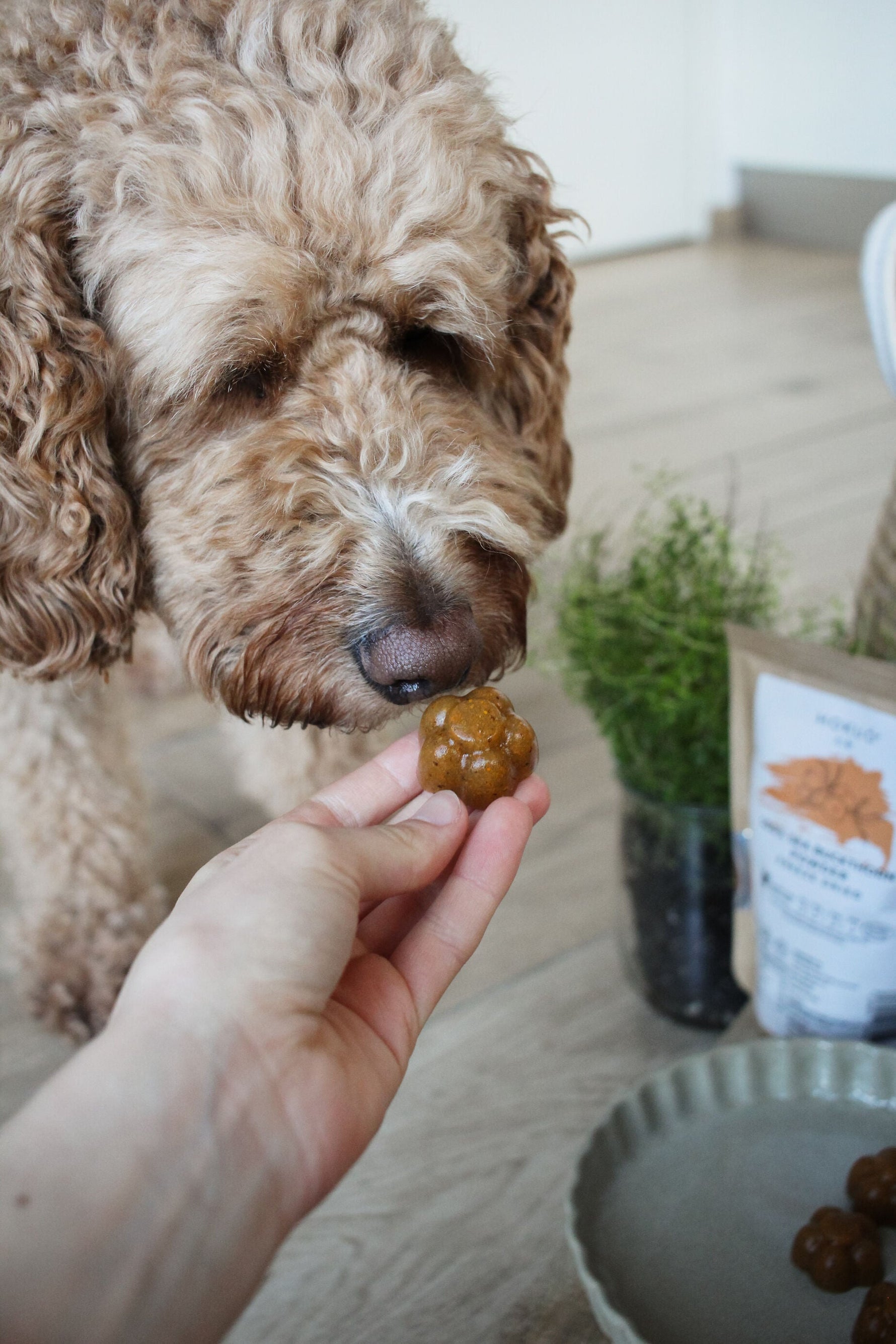
Keeping your furry friend healthy and happy is every pet parent’s priority, and a balanced diet plays a key role. But did you know that even the best dog food can sometimes leave nutritional gaps? That’s where multivitamin gummies for dogs come in! These tasty, nutrient-packed treats make it easy (and fun!) to supplement your dog’s diet with essential vitamins and minerals. In this blog, we’ll explore why multivitamins for dogs are important and provide you with a simple, DIY recipe that your dog will love! Overview Why multivitamins for dogs? Key vitamins in Dandelion & Sea Buckthorn A stronger immune system = a healthier dog Healthy skin, a shiny coat and happy joints Better digestion & natural detox Small changes, big benefits DIY Multivitamin gummies recipe for dogs Homemade dog vitamins for picky eaters? Why multivitamins for dogs? We all want our dogs to live long, happy, and healthy lives. A balanced diet is the foundation of good health, but even high-quality dog food can lack essential vitamins and minerals. That’s where multivitamins for dogs come in! Every dog has different needs. Some are energetic adventurers, while others prefer cozy naps. No matter their lifestyle, the right nutrients help support immune function, digestion, skin and coat health, and joint mobility.  Natural dog supplements, like dandelion extract for dogs and sea buckthorn for pets, provide targeted support to help fill nutritional gaps and keep your dog thriving. Let’s dive a little deeper into the specific benefits of these powerful ingredients below! Photo by Marleen Meindersma for Hokuō® Key vitamins in Dandelion & Sea Buckthorn Nature provides powerful nutrients that support your dog’s health. These two superfoods are packed with essential vitamins, minerals, and antioxidants: Dandelion:Supports liver and kidney function, digestion and overall wellness. It’s rich in: Vitamins A, C, and K: crucial for immune health, vision, and cell repair. B-complex vitamins (B1, B2, B3, B6, Folate): essential for energy production, brain function, and skin health. Magnesium, calcium, potassium, and iron: key minerals for strong bones, muscle function, and healthy blood circulation. Sea buckthorn: Packed with omega fatty acids (3, 6, 7, 9) to promote healthy skin, a shiny coat and overall health. It also contains: Vitamins A, C, E, and K: vital for skin, immune support, and reducing inflammation. B-complex vitamins (B1, B2, B3, B6, Folate): important for energy, metabolism, and healthy growth. Phosphorus, zinc, manganese, and selenium: minerals that boost immunity, promote cell growth, and help reduce inflammation. Antioxidants (Flavonoids, Carotenoids, Phytosterols): support overall wellness and immune function. By incorporating these natural ingredients into your dog's foodbowl, homemade dog vitamins or healthy dog treats, you’re giving your dog the extra support they need. And all without artificial additives or fillers! See Product See Product A stronger immune system = a healthier dog A strong immune system is crucial for your pet’s health. It helps to keep your dog happy and active. With the right balance of nutrients, your pet can stay active, alert, and full of life! Just like humans, dogs need antioxidants to fight off illness and reduce inflammation. Vitamins C, E, and beta-carotene (for example found in sea buckthorn for pets) help protect against free radicals and keep your dog’s immune system strong.  Moreover, if your dog tends to get sick easily or struggles with allergies, adding natural dog supplements rich in antioxidants can be a game changer. It’s a simple yet effective way to help them stay resilient and healthy. Healthy skin, a shiny coat and happy joints We all love to see our dogs with shiny fur and bright, happy eyes. A healthy coat isn’t just about looking good. It’s also a reflection of what’s happening inside. Omega fatty acids, zinc, and vitamin A (all found in sea buckthorn for pets) help keep your dog’s skin hydrated, reduce itching, and support a glossy, healthy coat. And let’s not forget their joints! Whether your dog loves running around or prefers a cozy nap, joint health is essential. Ingredients like dandelion extract for dogs provide calcium and magnesium, which help maintain strong bones and mobility. Omega-3s also play a key role in reducing inflammation, making them perfect for senior dogs or breeds prone to joint issues. Photo by Marleen Meindersma for Hokuō® Better digestion & natural detox A healthy gut means better digestion, more energy, and overall wellness. If your dog experiences bloating, gas, or irregular digestion, they might benefit from natural digestive support. Dandelion extract for dogs is known for promoting liver detoxification and supporting kidney health, while fiber-rich ingredients like sea buckthorn can aid digestion. When dogs get the right nutrients, their bodies can process food more efficiently, leading to better nutrient absorption and improved energy levels. This means a happier, more active dog with fewer tummy troubles! Small changes, big benefits The best part about adding multivitamins to your dog’s routine? It’s incredibly easy! Whether you choose homemade dog vitamins, healthy dog treats, or simple natural dog supplements, even small additions can make a big difference in their well-being. Giving your dog the right nutrition is one of the best ways to show love and care. With a little extra support from multivitamins for dogs, you’re helping them live their best, healthiest life! DIY Multivitamin gummies recipe for dogs And what better way to make supplements enjoyable than by turning them into tasty, homemade gummies? Not only are they packed with essential nutrients, but they’re also a fun and delicious way to treat your dog. Plus, they’re easy and fun to make at home with just a few simple ingredients! Preparation time: 10 minutes Cooking time: 5 minutes Setting time: 2-3 hours Servings: approximately 20 gummies (depending on the size of your mold) Ingredients: 1 tsp Hokuō® Dandelion Extract Powder 2 tbsp freeze-dried Hokuō® Sea Buckthorn Powder (blended with liquid for best results) 3 tbsp beef gelatin (or agar-agar for a vegetarian option) 1 cup water or low-sodium bone broth (for added flavor) Optional: 1 tsp honey (omit for dogs with dietary restrictions) See Product See Product See Product See Product See Product See Product See Product See Product See Product See Product See Product See Product Instructions: Heat the water or bone broth over low heat in a small saucepan until warm. Gradually sprinkle in the beef gelatin (or agar-agar), whisking continuously to avoid lumps. Whisk until fully dissolved. Remove from heat and stir in the Hokuō® Dandelion Extract Powder and freeze-dried Hokuō® Sea Buckthorn Powder. Optional: add honey for a hint of sweetness (if your dog’s diet allows). Pour the mixture into your silicone mold. Refrigerate for 2-3 hours (until the gummies are fully set). Pop the gummies out of the molds and store them in an airtight container in the refrigerator for up to two weeks. Once your homemade dog vitamins are ready, your dog will have a delicious, nutrient-packed treat to enjoy! These healthy dog treats are more than just a fun snack. They make supplementing easy, especially for dogs who might turn their noses up at powders or pills. Homemade dog vitamins for picky eaters? If you’ve ever struggled to sneak powdered supplements into your dog’s meals, you know the struggle is real. That’s why these gummies are a game-changer! Pleasant texture: most dogs love the chewy texture of gummies, making them less likely to turn their noses up. Convenient dosing: no more messy powders! With gummies, you know your dog is getting the right amount of nutrients in each bite. Customizable flavor: use low-sodium bone broth for a savory twist or water for a milder option, so your dog always enjoys their vitamins. With just a few simple ingredients, you’ve created a healthy dog treat full of multivitamins for dogs that supports their well-being. No stress, no mess, just tail wags and happy licks. So why not give it a try? Your dog will love it, and you’ll love knowing they’re getting the best care possible! The Author: Marleen Meindersma Freelance blog writer for Hokuō®
Raw Dog Food

Lite är bättre än ingenting: en guide till färska ingredienser i din hunds mat

av Ann-Kristin Meyer / HundeFoderNørden på jan. 28 2025
En guide till färska ingredienser i din hunds foder.- Skriven av Ann-Kristin Meyer, ägare av HundeFoderNørden Översikt Processad mat och livsstilssjukdomar Vad är processad mat Likheter mellan människor och hundar i näring Hur du kan inkludera färska ingredienser i din hunds kost Rekommenderad fördelning av ingredienser Hur mycket färsk mat bör ingå Processad mat och livsstilssjukdomar I människovärlden råder det inte längre något tvivel: ett högt intag av kraftigt processad mat i kombination med att man undviker färska, oprocessade livsmedel i kosten är kopplat till en ökad förekomst av olika livsstilssjukdomar, såsom övervikt, cancer, diabetes och depression. Under de senaste åren har det också börjat hända saker inom forskningen kring hundnutrition. Fler och fler studier tyder på att färsk, oprocessad mat har en positiv effekt på hundens hälsa och välbefinnande, medan kraftigt processat foder verkar påverka hundens hälsa negativt. Vad är processad mat? Kraftigt processad mat, eller som det kallas på engelska, ”ultra-processed food”, definieras som rätter som innehåller ingredienser som du normalt inte skulle använda i ett vanligt kök. Dit hör konserveringsmedel, smakförstärkare, färgämnen, sötningsmedel och emulgeringsmedel. Dessa ämnen tillsätts i kraftigt processad mat för att efterlikna kvaliteten och den sensoriska upplevelsen av minimalt processad mat. Detta är definitionen av kraftigt processad MAT. Många av de tillsatser som nämns i denna definition återfinns dock också i kraftigt processat hundfoder. Och den absoluta majoriteten av det hundfoder som finns på butikshyllorna, i djuraffärer eller på veterinärkliniker är kraftigt processat foder. Processad mats effekt på tarmens mikrobiota Många olika näringsstudier inom humanområdet tyder på att kraftigt processad mat påverkar tarmens mikrobiota negativt. Tarmmikrobiotan är den totala mängden mikroorganismer som lever i människans tarm. Dit räknas bakterier, svampar och virus, men bakterierna utgör den största andelen och är också de mest studerade bland tarmens invånare. Även om tarmmikrobiotan inte liknar våra klassiska organ, såsom lever, njurar och mjälte, beter den sig på ett liknande sätt och kan därför klassificeras som ett organ – ett mycket avancerat sådant dessutom! Foto: Rozanne Willems for Hokuō® Likheter mellan människor och hundar i näring Precis som människor drabbas allt fler hundar av de ovan nämnda livsstilssjukdomarna. Och precis som vi får många hundar en stor del av sin dagliga kost i form av kraftigt processad mat. Många hundar utfodras till och med uteslutande med kraftigt processat foder. Att se samma utveckling hos hundar som hos människor är därför inte förvånande. Olika studier visar att hundens tarmmikrobiota reagerar på näringsfaktorer på ett sätt som är jämförbart med hur människans tarmmikrobiota reagerar. Fördelar med färska ingredienser Även om många fortfarande hävdar att det inte finns några studier som visar att färsk, minimalt processad mat, såsom BARF (råfoder) eller hemlagad mat, är hälsosammare för hundar än kraftigt processat foder, stämmer detta helt enkelt inte. Särskilt under de senaste åren har flera vetenskapligt granskade studier publicerats som drar slutsatsen att minimalt processad mat har en hälsofrämjande effekt, medan kraftigt processad mat har en skadlig effekt på hälsan. Hur du kan inkludera färska ingredienser i din hunds kost Ingredienser som bör ingå i din hunds färska mat är kött, organ, köttiga ben, ägg, fet fisk, grönsaker och eventuellt bär. Kött bör helst vara muskelkött eftersom det har mycket hög proteinkvalitet. Det kan ges rått eller tillagat, t.ex. kokt i en gryta med lite vatten. Om köttet tillagas är det en bra idé att också ge kokvattnet som en del av portionen, eftersom vissa näringsämnen läcker ut i vattnet under tillagningen. "Kom ihåg, lite är bättre än ingenting, så även små steg kan göra stor skillnad för din hunds hälsa.” Rekommenderad fördelning av ingredienser Fördelningen mellan de olika ingrediensgrupperna kan se ut så här: Två delar kött Två delar köttiga ben En del inälvor En del fisk En del ägg Dessutom lite grönsaker och eventuellt bär Det är inte nödvändigt att alla ingredienser ingår varje dag. Till exempel kan du ge kött två dagar i veckan, köttiga ben två andra dagar och organ, fisk och ägg de återstående dagarna. Grönsaker kan läggas till som topping varannan dag. Foto: Rozanne Willems for Hokuō® Köp nu Köp nu Köp nu Hur mycket färsk mat bör ingå? Forskning tyder på att cirka 20–25 % färsk mat krävs för att uppnå en hälsofrämjande effekt. För att säkerställa att hunden inte hamnar i energibrist (kaloriunderskott) är det viktigt att veta hur mycket energi (kalorier) hunden får i sig via industriellt producerat foder. Detta kan fastställas genom att mäta upp hundens dagliga fodergiva och kontrollera förpackningen eller tillverkarens webbplats för att se kaloriinnehållet. Sammanfattning Om du följer ovanstående riktlinjer och varierar ingredienserna väl är risken för näringsbrist mycket låg, även om du ersätter 30–40 % av hundens processade foder med färska ingredienser. Kom ihåg, lite är bättre än ingenting – även små steg kan göra stor skillnad för din hunds hälsa. Källor: Coelho et al. 2018: Similarity of the dog and human gut microbiomes in gene content and response to diet Hemida et al. 2020: Puppyhood diet as a factor in the development of owner-reported allergy/atopy skin signs in adult dogs in Finland Hemida et al. 2021: Early Life Modifiable Exposures and Their Association with Owner Reported Inflammatory Bowel Disease Symptoms in Adult Dogs Hemida et al. 2023: Early life programming by diet can play a role in risk reduction of otitis in dogs Jaffey et al. 2022: Effects of a whole food diet on immune function and inflammatory phenotype in healthy dogs: A randomized, open-labeled, cross-over clinical trial Kim et al. 2017: Differences in the gut microbiota of dogs (Canis lupus familiaris) fed a natural diet or a commercial feed revealed by the Illumina MiSeq platform Leverett et al. 2022: Fresh Food Consumption Increases Microbiome Diversity and Promotes Changes in Bacteria Composition on the Skin of Pet Dogs Compared to Dry Foods Raghavan et al. 2005: Evaluation of the effect of dietary vegetable consumption on reducing risk of transitional cell carcinoma of the urinary bladder in ScottishTerriers Sandri et al. 2017: Raw meat based diet influences faecal microbiome and end products of fermentation in healthy dogs Sinkko et al. 2023: Distinct healthy and atopic canine gut microbiota is influenced by diet and antibiotics Vuori et al. 2023: The effect of puppyhood and adolescent diet on the incidence of chronic enteropathy in dogs later in life Författare: Ann-Kristin Meyer MSc i Animal Science vid Köpenhamns universitet, med inriktning mot hundnutrition, ägare av HundeFoderNørden
Red Deer Heart For Pets Freeze Dried

Fördelarna med hjärta i foder till hundar och katter

av Ann-Kristin Meyer / HundeFoderNørden på nov. 09 2024
Varför välja hjärta till dina sällskapsdjur? När du har en typisk katt (typisk i den meningen att de flesta katter är svåra att utfodra) eller en atypisk hund (atypisk i den meningen att de flesta hundar är väldigt lätta att utfodra), vet du att det finns en sak som de flesta av ovanstående inte kan säga ”nej” till – och det är hjärta. Oavsett om det är rått, lätt tillagat, frystorkat, bakat eller torkat – de flesta hundar och till och med de mest kräsna katterna älskar det! Men hjärta är inte bara en riktig delikatess och därmed ett populärt val som godbit. Hjärta innehåller också vissa näringsämnen, eller snarare kombinationer och mängder av specifika näringsämnen, som gör det överlägset jämfört med till exempel lever eller vanligt muskelkött. Det här tydliggör fördelarna med hjärta i foder till hundar och katter i jämförelse med andra alternativ. Hjärta som en unik källa till aminosyror Begreppet ”vanligt muskelkött” används eftersom hjärtat faktiskt också är en muskel. Och även om många hund- och kattägare skulle klassificera hjärta som inälvsmat, ligger det näringsmässigt någonstans mellan muskelkött och inälvsmat – med en liten slagsida mot muskelkött. Översikt Varför välja hjärta till dina sällskapsdjur? Fördelarna med hjärta i foder – aminosyror Taurin: viktigt för katter och hundar Risken för taurinbrist hos hundar Vikten av proteinsmältbarhet Fördelarna med hjärta i foder – aminosyror Fördelarna med hjärta i foder till hundar och katter inkluderar proteiner med hög biologisk kvalitet, liknande muskelkött. Den biologiska kvaliteten på ett protein avgörs av proteinets aminosyrasammansättning och hur väl den matchar hundens aminosyrabehov. Aminosyror är byggstenarna i protein, och även om vi ofta pratar om hundens eller kattens proteinbehov, så har hundar och katter i själva verket ett aminosyrabehov. Hundar har ett essentiellt behov av tio olika aminosyror, medan katter har elva. De essentiella aminosyrorna kan inte produceras av hunden eller katten själva, och måste därför tillföras via kosten. Om hunden eller katten får för lite av en eller flera av dessa aminosyror kan det på sikt leda till olika hälsoproblem, bland annat muskelnedbrytning, försvagat immunförsvar, hormonella och enzymatiska störningar, tillväxtproblem hos valpar och kattungar, hud- och pälsproblem, mag–tarm-besvär, neurologiska problem och försämrad sårläkning. Långvarig aminosyrabrist kan till och med leda till livshotande organskador. Anledningen till att listan över möjliga konsekvenser av aminosyrabrist är så lång är att aminosyror är involverade i en myriad av olika ämnesomsättningsprocesser och ingår i många vävnader och substanser som cirkulerar i hundens och kattens kropp. För att återgå till frågan om protein- och aminosyrabehov: En hund eller katt kan mycket väl få tillräckliga mängder protein, men ändå få för lite av en eller flera essentiella aminosyror. En ökad mängd av en annan essentiell aminosyra kan inte kompensera för bristen på en annan. Därför kan hunden eller katten utveckla ovan nämnda brister trots ett tillräckligt proteinintag. Se produkt Se produkt Taurin: viktigt för katter och hundar Som redan nämnts har katter – till skillnad från de flesta hundar – ett essentiellt behov av elva aminosyror, eftersom de inte själva kan bilda aminosyran taurin. TauriNs huvuduppgift är att konjugera gallsyror till gallsalter så att de blir tillräckligt vattenlösliga för att kunna blandas med tarminnehållet. Detta är viktigt för fettspjälkningen. Dessutom spelar taurin en viktig roll bland annat för hjärthälsa, normal syn, reproduktion och cellernas ämnesomsättning. Taurinbrist hos katter kan leda till mycket allvarliga hälsoproblem, bland annat hjärtsjukdomar, blindhet och reproduktionsstörningar. Hjärta innehåller avsevärt högre mängder taurin än vanligt muskelkött och liknar därmed inälvsmat som lever, som också innehåller stora mängder taurin. Därför innebär fördelarna med hjärta i foder till hundar och katter också att det är en bra källa till taurin. Bearbetning och lagring är dock viktiga faktorer. Taurin är känsligt för kraftig värmebehandling under lång tid, vilket kan förekomma vid industriell produktion av foder, godbitar och snacks. Ljus och fukt påverkar också taurins näringsmässiga värde. För att säkerställa att din katt (eller hund) får ett taurinrikt snack är det därför en god idé att välja rått, lätt tillagat eller frystorkat hjärta som förvaras mörkt, torrt och svalt så kort tid som möjligt. "det är därför en god idé att välja rått, lätt tillagat eller frystorkat hjärta som förvaras mörkt, torrt och svalt så kort tid som möjligt" Ann-Kristin Meyer Risken för taurinbrist hos hundar Den uppmärksamma läsaren har kanske lagt märke till att det i avsnittet ovan står ”till skillnad från de flesta hundar”. Hundar har som regel inget essentiellt behov av taurin, eftersom de kan producera taurin från de svavelinnehållande aminosyrorna metionin och cystein. Metionin är en av de essentiella aminosyror som hunden måste få via kosten. Under rätt förutsättningar är risken för taurinbrist hos en hund försumbar. Det finns dock flera faktorer som kan öka risken för taurinbrist och därmed också risken för att utveckla bland annat hjärtsjukdomar. En ökad risk för taurinbrist kan till exempel uppstå när hundens kost innehåller för lite metionin, cystein och/eller taurin. Proteinsmältbarheten i hundens foder är för låg. Hundens kost innehåller för mycket fibrer. Animaliskt kontra vegetabiliskt protein Metionin, cystein och taurin förekommer i större mängder i animaliskt protein. Om hundens proteinbehov huvudsakligen täcks via vegetabiliskt protein kan det hända att hundens behov av metionin är uppfyllt, men att det inte finns tillräckligt med metionin kvar för att syntetisera cystein och taurin. Det är viktigt att notera att hundens behov av att producera taurin själv blir större när taurininnehållet i fodret är lågt. En hund vars proteinbehov främst täcks genom animaliskt protein kommer därför att ha ett lägre behov av att själv syntetisera taurin än en hund som huvudsakligen får i sig vegetabiliska proteiner – helt enkelt därför att animaliskt protein innehåller betydligt större mängder taurin än vegetabiliskt protein. Dessutom är aminosyran metionin mycket värmekänslig, och dess biologiska tillgänglighet – och därmed tillgången för taurinsyntes – minskar avsevärt när fodret värmebehandlas. Om hunden enbart äter hårt värmebehandlat foder kan det mycket väl vara så att hundens metionintillförsel inte räcker för att även producera adekvata mängder cystein och taurin. Vikten av proteinsmältbarhet Proteinsmältbarheten i fodret är också mycket viktig. Industriell bearbetning av foder kan märkbart minska proteinsmältbarheten. Kraftig värmebehandling (vid höga temperaturer under lång tid) påverkar proteinstrukturen och gör den mindre tillgänglig för hundens kropp. Dessutom kommer bearbetning av proteinrika foderråvaror tillsammans med stärkelserika foderråvaror att leda till bildning av AGE (advanced glycation end products), som är benämningen på reaktionsprodukter från den så kallade Maillardreaktionen, där aminosyror reagerar med sockermolekyler. AGE är svårsmälta, och de osmältade AGE-produkterna passerar vidare till tjocktarmen där de främjar tillväxten av taurinnedbrytande bakterier. Detta resulterar i att mindre taurin finns tillgängligt för absorption och återanvändning i kroppen. Fiber och taurinupptag AGE är inte de enda faktorerna som kan minska upptaget av taurin. Stora mängder fiber i hundens kost kan också minska tillgången på taurin i kroppen, eftersom vissa fibrer kan binda till gallsalter och göra dem otillgängliga för absorption. Hundar är ganska effektiva på att återvinna taurin när det har gjort sitt jobb och bidragit till fettspjälkningen. Denna återabsorption kan dock inte ske när fibrerna har bundit till gallsalterna. I sådana fall utsöndras de tillsammans med hundens avföring. Överviktiga hundar som går på viktminskningsdiet eller hundar med mycket låg ämnesomsättning – och därmed betydligt lägre energibehov än genomsnittshunden – utfodras ofta med fiberrika foder och har därför en ökad risk för taurinbrist. Att komplettera med hjärta Om du har en överviktig hund eller en hund med låg ämnesomsättning, eller om du utfodrar din hund med kraftigt bearbetat foder eller foder som innehåller stora mängder vegetabiliskt protein, kan det vara klokt att komplettera hundens kost med taurinrikt hjärta som godbit. Fördelarna med hjärta i foder till hundar och katter blir särskilt tydliga i dessa situationer, där det kan hjälpa till att säkerställa ett tillräckligt taurinintag. Varför hjärta i stället för lever? Men varför är det just hjärta – och inte till exempel lever, som också är rik på taurin – som kan användas för att komplettera kosten hos hundar och katter? Det beror på att hjärta, till skillnad från lever, innehåller betydligt mindre mängder av vissa andra näringsämnen som kan ge hälsoproblem om de intas i för stora mängder. Här talar vi om mineralet koppar och vitamin A. För att undvika överdosering av dessa näringsämnen är det därför bättre att välja hjärta som komplement i stället för lever. Detta understryker ytterligare fördelarna med hjärta i foder till hundar och katter. Obs: Begränsningar i användningen av hjärta Hjärta – liksom annan inälvsmat – är rikt på puriner, och är därför inte lämpligt som tillskott till hundar med defekter i urinsyrametabolismen eller hundar som behandlas med allopurinol. Författare: Ann-Kristin Meyer MSc i Animal Science vid Köpenhamns universitet, med inriktning mot hundnutrition, ägare av HundefoderNørden