Das Hokuō® Journal

When the Holidays Get Noisy: How to Create a Sense of Security for Your Dog

von/ durch Amanda Spraggon am Dez 07 2025
This guide explores how to support dogs through the stress of Christmas and New Year. Learn how routines, enrichment, safe spaces, walks, supplements, and preparation for fireworks help dogs feel secure and calm during a hectic holiday season.

Calming Herbs for Dogs During the Holiday Season

von/ durch Hanka Fahey am Nov 30 2025
Dog training has come a long way from dominance-based methods to cooperation and mutual understanding. This article explores how our relationship with dogs has evolved from strict hierarchy and punishment to modern, reward-based training rooted in empathy and science. It explains how positive reinforcement strengthens learning, trust, and emotional wellbeing while reducing stress and behavioural problems. Backed by research, the piece highlights why saying “yes” more often than “no” builds stronger, happier, and more confident dogs – and a deeper human–dog bond.

Modern Dog Training methods: Less “No!”, More “Yes!”

von/ durch Amanda Spraggon am Nov 14 2025
Dog training has come a long way from dominance-based methods to cooperation and mutual understanding. This article explores how our relationship with dogs has evolved from strict hierarchy and punishment to modern, reward-based training rooted in empathy and science. It explains how positive reinforcement strengthens learning, trust, and emotional wellbeing while reducing stress and behavioural problems. Backed by research, the piece highlights why saying “yes” more often than “no” builds stronger, happier, and more confident dogs – and a deeper human–dog bond.

Collagen for Dogs – More Than Just a Protein Source?

von/ durch Ann-Kristin Meyer / HundeFoderNørden am Okt 20 2025
Collagen is much more than just a structural protein — it plays a vital role in your dog’s overall health. This article explores how different collagen types (I, II, and III) support strong joints, flexible tendons, healthy skin, and even a robust intestinal barrier. Backed by scientific research, it explains the differences between hydrolyzed collagen peptides and undenatured UC-II®, how they influence the immune system, and what recent studies reveal about collagen’s potential benefits for dogs with osteoarthritis. The article also discusses bone broth as a natural collagen source and summarizes practical insights for dog owners seeking to promote joint health and mobility through evidence-based nutrition.
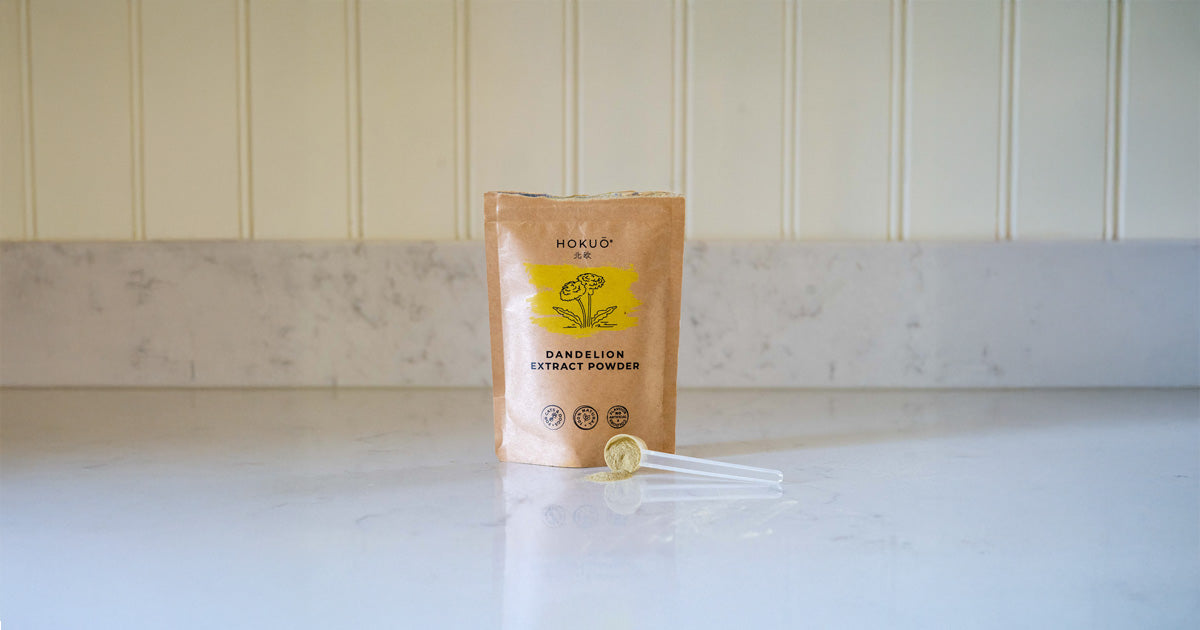
Dandelion root extract benefits for cats and dogs

Dandelion Root and Flower for Cats & Dogs: Backed By Science

von/ durch Christian Adamsen am Okt 08 2025
Dandelion root and flower for cats and dogs is far more than a common garden weed — it’s a powerful, science-backed herb with wide-ranging benefits. Rich in antioxidants, flavonoids, and natural compounds, dandelion supports healthy liver, kidney, and digestive function while helping reduce inflammation and oxidative stress. Research highlights its gentle detoxifying properties and positive effects on metabolic balance.

Ein neuer Weg weg von stark verarbeitetem Futter und Toppings

von/ durch Ann-Kristin Meyer / HundeFoderNørden am Jul 31 2025
Wenn Ihr Hund oder Ihre Katze das Futter verweigert Es gibt kaum etwas Schlimmeres als einen Hund oder eine Katze, die ihr Futter nicht fressen wollen – sowohl für das Tier selbst als auch vor allem für den Besitzer. Manche Hunde und viele Katzen hängen an dem Futter, das sie kennen und an das sie gewöhnt sind: im Geschmack, Geruch und in der Konsistenz. Alles, was dem Tier fremd ist, bleibt konsequent im Napf zurück – manchmal sogar die gesamte Futterration. Ein gut gemeinter Wechsel auf ein nährstoffreicheres Futter kann schnell in Frustration umschlagen, wenn Hund oder Katze das neue, gesündere Futter ablehnen. Was tun Besitzer dann? Sie „verstecken“ das Futter häufig in einer großen Portion Leberwurst oder einer der sehr schmackhaften Tubenpasten – denn diese scheinen selbst bei den wählerischsten Tieren zu wirken. Das Problem dabei ist jedoch, dass ein eigentlich nährstoffüberlegenes Futter durch die Zusätze in Leberwurst und Tubenpasten insgesamt weniger gesund wird. Mit dem guten Geschmack kommen meist zahlreiche Zusatzstoffe, die nicht täglich im Napf landen sollten – wenn man seinem Tier ein langes, gesundes Leben ermöglichen will. Das Problem sind stark verarbeitete Futtermittel Der Großteil der im Handel erhältlichen Leberwurst und Tubenpasten lässt sich als stark verarbeitetes Futter einstufen. Aus Untersuchungen beim Menschen wie auch beim Hund wissen wir, dass stark verarbeitete Lebensmittel und Futtermittel negative Auswirkungen auf die Gesundheit haben. Besonders die Darmgesundheit leidet: Die Mikroorganismen im Verdauungstrakt von Mensch, Hund und Katze, die eigentlich zum Wohlbefinden beitragen sollen, werden durch synthetische Zusatzstoffe in stark verarbeiteten Produkten gestört. Außerdem enthält Leberwurst große Mengen an Vitamin A. Da es fettlöslich ist und im Körper gespeichert wird, kann es leicht überdosiert werden. Viele Besitzer wählerischer Tiere setzen getrocknete Leber als Leckerli ein, weil sie oft das Einzige ist, das dem Hund oder der Katze wirklich schmeckt. Diese doppelte Anreicherung mit Leber und Leberwurst kann schnell zu einer Vitamin-A-Überversorgung führen, die unter anderem Gelenk- und Hautprobleme auslöst. Hokuō®’s Antwort: Ein gesunder und schmackhafter Topping Was also tun, wenn Hund oder Katze ihr Futter nur essen, wenn es mit Leberwurst oder Tubenpasta aufgepeppt ist? Diese Frage gab den Anstoß zur Entwicklung des Hokuō® Reindeer & Duck Topping. Christian wollte eine sehr schmackhafte, zugleich aber gesundheitsfördernde Ergänzung kreieren, die täglich eingesetzt werden kann, ohne dass eine Nährstofffehlversorgung droht. Sie sollte im Gegenteil das Potenzial haben, Gesundheit und Wohlbefinden des Tieres aktiv zu unterstützen. Deshalb wandte sich Christian an mich und überarbeitete gemeinsam mit mir den Entwurf einer bereits gut formulierten Sauce. Ziel war es, Rezeptur und Herstellung so zu optimieren, dass das Topping als tägliche Ergänzung in den Futterplan passt und gleichzeitig die Versorgung mit essenziellen Nährstoffen verbessert. Vorteile von Hokuō® Reindeer & Duck Topping Das Ergebnis ist ein Topping, das verschiedene ernährungsphysiologische Vorteile bietet: Kollagen aus Knorpel: Unterstützt die Darmmucosa und beugt Darmerkrankungen vor. Ballaststoffe aus Gemüse: Nähren die gesundheitsfördernden Mikroorganismen im Darm, fördern die Darmgesundheit und steigern das allgemeine Wohlbefinden. Kleine Mengen Leber und Herz: Genug für eine angenehme Geschmacksnote und zusätzliche Nährstoffe, aber so wenig, dass eine Vitamin-A-Überversorgung ausgeschlossen ist. „Besonders diese letzte Maßnahme zeigt, wie weit Christian geht, um das Maximum aus seinen Produkten herauszuholen – und dafür habe ich als Ernährungsexpertin großen Respekt!“ Schonende Verarbeitung für maximale Nährstofferhaltung Da die Sauce ein verarbeitetes Produkt ist, war es entscheidend, den Herstellungsprozess so zu gestalten, dass möglichst viele Nährstoffe erhalten bleiben und synthetische Zusatzstoffe überflüssig werden. Dies wird erreicht durch: niedrige Verarbeitungstemperaturen und schnelle Abkühlung nach der Zubereitung getrennte Verarbeitung von tierischen und pflanzlichen Zutaten zur Minimierung der Maillard-Reaktion, die die Proteinverdaulichkeit beeinträchtigt Ganz wesentlich ist dabei, tierische und pflanzliche Komponenten jeweils separat zu garen. Denn Gemüse liefert nicht nur Ballaststoffe, sondern auch Stärke und Zucker. Würde man proteinreiche Zutaten wie Leber, Herz und Knorpel zusammen mit stärke- oder zuckerhaltigen Zutaten erhitzen, fiele eine Maillard-Reaktion an, die das Tier daran hindert, die Proteine optimal zu verwerten. Durch die getrennte Zubereitung und erst im Anschluss das Vermengen der Einzelkomponenten bleibt die Proteinverdaulichkeit erhalten und das Tier kann alle Nährstoffe bestmöglich nutzen. „Besonders diese letzte Maßnahme zeigt, wie weit Christian geht, um das Maximum aus seinen Produkten herauszuholen – und dafür habe ich als Ernährungsexpertin großen Respekt!“

Why Omega-3 Fatty Acids Matter for Your Dog’s Health

von/ durch Ann-Kristin Meyer / HundeFoderNørden am Jul 22 2025
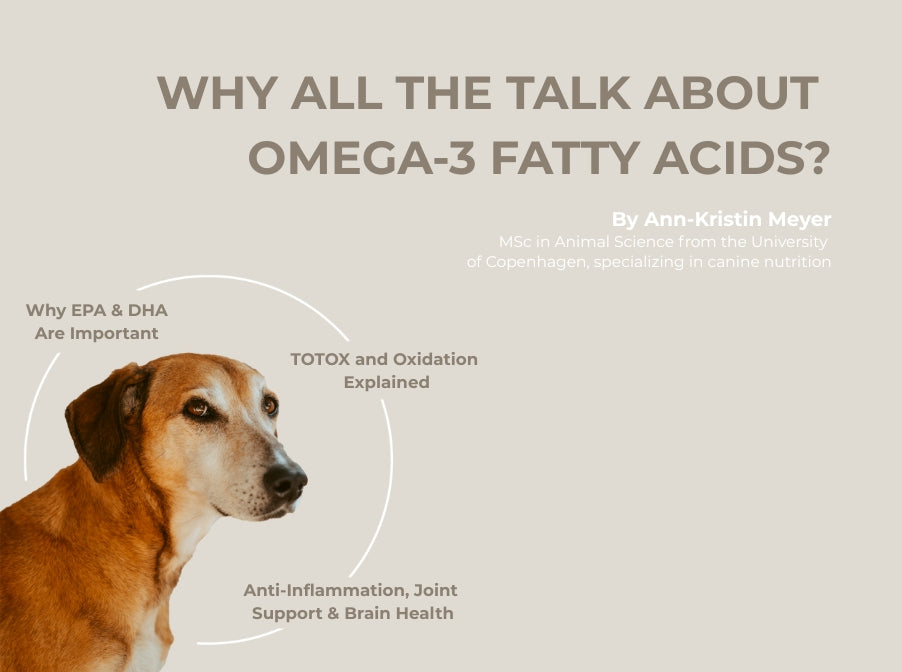
Why All the Talk About Omega-3 Fatty Acids? If you own a dog, chances are you’ve been part of at least one conversation about dog food. And quite often, that conversation ends up focusing on one specific nutrient: omega-3 fatty acids. But why is there so much hype around omega-3s in dog food? What makes omega-3 fatty acids so special compared to other nutrients? And what should you be aware of when choosing omega-3 supplements for your dog? That’s exactly what you’ll learn in the following. Table of Content What Are Omega-3 Fatty Acids? Which Omega-3 Fatty Acids Exist? The Vital Physiological Functions of EPA and DHA It Doesn’t Stop There What to Know When Choosing and Storing Omega-3 Supplements for Your Dog Next Time You’re at the Dog Park… What Are Omega-3 Fatty Acids? Omega-3 fatty acids are polyunsaturated fats essential to a range of physiological processes. They belong to the group of long-chain fatty acids, making them particularly reactive and biologically active. That’s important to keep in mind when selecting an omega-3 supplement—and knowing how to store it properly. Because dogs can’t produce sufficient amounts of omega-3 fatty acids on their own, they must be supplied through the diet. This makes omega-3s essential nutrients for dogs.   See Product Which Omega-3 Fatty Acids Exist? The omega-3 fatty acids most commonly discussed in canine nutrition are alpha-linolenic acid (ALA), eicosapentaenoic acid (EPA), and docosahexaenoic acid (DHA). While all three are omega-3s, they are not equal when it comes to feeding your dog. ALA is found in many plant-based oils like flaxseed oil, hemp seed oil, and chia oil, and can be converted in the body into EPA and DHA. However, dogs are not very efficient at converting ALA—only about 5–10% of it becomes EPA, and less than 1% becomes DHA. This means that plant oils—except one—can’t replace ingredients rich in EPA and DHA. That exception is algae oil, which is the only plant-based oil rich in both EPA and DHA. All other significant sources of EPA and DHA come from marine sources like fish, mussels, krill, and algae. Why EPA and DHA Are So Important  You might ask, “Why can’t I just use a good plant oil rich in ALA?” It’s usually easier and more affordable. The answer lies in the broad spectrum of physiological effects that EPA and DHA offer—but ALA does not. Although ALA is an essential fatty acid on paper, its main purpose is to serve as a precursor to EPA and DHA. And since dogs can barely make that conversion, ALA is not physiologically sufficient. It can’t meet your dog’s real omega-3 needs, especially in cases of inflammation, pregnancy and lactation, brain development in puppies, or skin and coat issues. Here’s the catch: if you're aiming for a low omega-6 to omega-3 ratio (for good reason, which we'll get into later), you can't solely rely on the numbers listed by dog food manufacturers. A ratio of 4:1 or 3:1 might look great—but if the omega-3s come primarily from ALA, the food won’t have the desired effect. The upside? You don’t need to worry about your dog getting enough ALA. You can focus entirely on EPA and DHA. Wild-caught Baltic Sprat Graphic © Hokuō® New Zealand Green-Lipped Mussel Graphic © Hokuō® The Vital Physiological Functions of EPA and DHA Anti-inflammatory Properties One key reason is EPA’s anti-inflammatory effect. This is where the omega-6 to omega-3 ratio becomes highly relevant. Arachidonic acid (AA), an omega-6 fatty acid, and EPA are both processed in the body via the same enzymatic pathways: cyclooxygenase (COX) and lipoxygenase (LOX). These enzymes convert the fatty acids into eicosanoids, hormone-like messengers that help regulate inflammation. When AA is processed, it mainly creates eicosanoids that promote inflammation, pain, fever, and the attraction of white blood cells—essential during an acute infection. But too much AA activity can lead to chronic inflammation. EPA, on the other hand, is converted into eicosanoids that counteract inflammation. Since EPA and AA compete for the same enzymes, a higher EPA concentration in the bloodstream helps reduce the dog’s inflammatory response. EPA and DHA are also precursors to specific signaling molecules that actively resolve inflammation and support tissue repair. Role in Joint Health and Osteoarthritis This anti-inflammatory action is also why omega-3s play such a key role in managing osteoarthritis. Osteoarthritis is a low-grade, chronic inflammation of the joints. The anti-inflammatory properties of EPA and DHA can reduce joint swelling, pain, and stiffness. Studies have shown that dogs with osteoarthritis supplemented with marine omega-3s walked better and longer, showed less pain behavior, and needed fewer NSAIDs. There’s also potential for EPA and DHA to slow down the progression of osteoarthritis by reducing cartilage breakdown. Brain Development and Cognitive Function Marine omega-3s aren’t just good for inflammation—they’re also crucial for brain health. DHA, in particular, is vital for nervous system development in puppies and maintaining cognitive function in older dogs. That’s not surprising, given that DHA is a key structural component and the most abundant fatty acid in the canine brain. Several studies suggest that puppies given DHA supplements after weaning learn faster, show improved cognition, and have better memory compared to those that didn’t get DHA. The same applies to puppies whose mothers received DHA during pregnancy—they performed significantly better in behavioral and cognition tests. It Doesn’t Stop There And no, the benefits don’t stop here. EPA and DHA also support the skin barrier, contributing to better skin and coat health. The cardiovascular system also benefits from marine omega-3s, and DHA has been shown to improve not only cognition but also visual development in puppies. A recent observational study even suggests that including marine omega-3s in puppy diets may significantly reduce the risk of epilepsy later in life. What to Know When Choosing and Storing Omega-3 Supplements for Your Dog Choose fish oils or other omega-3 supplements from sustainable sources that are tested and purified for contaminants like heavy metals and PCBs. Omega-3s are very sensitive to oxidation (remember: highly reactive and biologically active). Oxidized fats are not just ineffective—they can actually harm your dog’s tissues by forming free radicals. The Totox value (short for total oxidation) is a measurement of how oxidized an oil is. The lower the Totox value, the less oxidized the oil. Aim for a Totox value under 5. Unfortunately, this value isn’t always disclosed by the manufacturer. Store omega-3 supplements in a way that protects them from light, heat, and oxygen. Keep them in the fridge and use them within a few weeks. You can also meet your dog’s omega-3 needs by including fatty fish in their regular diet. Depending on the amount of fish, additional supplementation may not be necessary. Many complete dog foods also contain marine omega-3s—but just like supplements, they’re vulnerable to oxidation. So by the time the food reaches your dog’s bowl, the omega-3s might have lost their effectiveness. This depends on many factors: the quality of the omega-3 source, how the food is packaged, how long it’s been stored by the manufacturer, the retailer, and you—and even the size of the food bag, which affects how long the food is exposed to oxygen.   See Product   See Product Next Time You’re at the Dog Park… Next time you’re out in the dog park and the topic of dog food and omega-3s comes up, chances are you’ll know more than anyone else in the conversation—and you might even have a tip or two to share. Sources: Antonelli, C. et al. (2023). Effects of docosahexaenoic acid dietary supplementation on cognitive learning and memory in healthy puppies. Animals, 13(20), 3261. Bauer, J. E. (2011). Enhancing canine cognition with omega-3 fatty acids. Nestlé Purina Nutrition Forum. Bauer, J. E. (2006). Therapeutic use of fish oils in companion animals. Journal of the American Veterinary Medical Association, 229(11), 1761–1764. Bauer, J. E. et al. (2018). Evaluation of enrichment of diets with omega-3 fatty acids and effects on plasma fatty acid profiles in dogs and cats. Journal of the American Veterinary Medical Association, 252(12), 1470–1478. Calder, P. C. (2017). Omega-3 fatty acids and inflammatory processes: from molecules to man. Biochemical Society Transactions, 45(5), 1105–1115. Carlisle C. et al. (2024). The Effects of Omega-3 Supplementation on the Omega-3 Index and Quality of Life and Pain Scores in Dogs. Animals, 14(21):3108. Freeman, L. M. et al. (2010). The role of nutritional supplements in cardiac disease. Journal of Veterinary Cardiology, 12(3), 149–155. Fritsche, K. L. et al. (2010). Omega-3 polyunsaturated fatty acids and immune regulation. British Journal of Nutrition, 104(Suppl 2), S1–S9. Heinemann, K. M. et al. (2005). Docosahexaenoic acid supplementation during pregnancy and lactation affects visual, cognitive, and behavioral development in dogs. Journal of Nutrition, 135(8), 1960S–1964S. Hemida M. et al. (2023). Assessing the association between supplemented puppyhood dietary fat sources and owner-reported epilepsy in adulthood, among Finnish companion dogs. Frontiers in Veterinary Science, 10:1227437. Lenox, C. E. & Bauer, J. E. (2013). Potential adverse effects of omega-3 fatty acids in dogs and cats. Journal of Veterinary Internal Medicine, 27(2), 217–226. Logas, D. & Kunkle, G. A. (1994). Clinical response of canine pruritus to dietary supplementation with omega-3 and omega-6 fatty acids. Veterinary Dermatology, 5(3), 99–104. Packer, R. M. A. et al. (2023). Fish-based fat sources in puppyhood are associated with reduced risk of idiopathic epilepsy in adult dogs. Frontiers in Veterinary Science, 10, 1202192. Roush, J. K. et al. (2010). Evaluation of the effects of dietary supplementation with fish oil omega-3 fatty acids on weight bearing in dogs with osteoarthritis. JAVMA, 236(1), 67–73. Shahidi, F. & Zhong, Y. (2010). Lipid oxidation and improving the oxidative stability. Chemical Society Reviews, 39(11), 4067–4079. Zicker, S. C. et al. (2012). Cognitive and behavioral effects of dietary supplementation with fish oil in senior dogs. The Veterinary Journal, 192(3), 426–431. Zicker, S. C. et al. (2012). Evaluation of cognitive function in puppies fed dietary docosahexaenoic acid. Journal of the American Veterinary Medical Association, 240(8), 935–941. The Author: Ann-Kristin Meyer MSc in Animal Science from the University of Copenhagen, specializing in canine nutrition, Owner of HundeFoderNørden 3 Easy Summer Lickmat Recipes for Cats & Dogs Read more Bone Broth for Dogs and Cats: Liquid vs Dehydrated? Read more How Are Freeze Dried Treats for Cats and Dogs Made? Read more
homemade lickmat recipes

3 Easy Summer Lickmat Recipes for Cats & Dogs

von/ durch Christian Adamsen am Mai 19 2025
As the nights grow longer and the temperatures rise, it’s important to find gentle, nourishing ways to keep our pets engaged and cool. We’ve created three simple summer lickmat recipes to try — made with wholesome ingredients and cooling textures that offer hydration, lightness, and calm Summer Lickmat Recipes Made for Slow Days These three lickmat recipes were created with that rhythm in mind: light, refreshing, and full of natural goodness. Perfect for cats and dogs to enjoy during those slow, sun-filled afternoons. Developed in collaboration with a certified pet nutritionist, each recipe uses safe, nourishing ingredients that support digestion and calm. Think of them as summer in every lick — cool, grounding, and made with care. Explore the Recipes Berry Broth Breeze (Cats & Dogs) Dandelion Dream Cream (Cats & Dogs) Strawberry Mint Cooler (Dogs Only) Berry Broth Breeze (Cats & Dogs) What You'll Need 75 ml Bone Broth of your choice A handful of freeze-dried berries If you’ve ever enjoyed a scoop of berry sorbet on a warm evening, you’ll understand this one.A simple mix of bone broth and berries, created to capture that summer pause — gentle and cooling for both cats and dogs. How to Make It Pour the bone broth gently over the lickmat, covering the surface evenly. Sprinkle freeze-dried berries over the top, letting them settle into the liquid. Place in the freezer for about 2 hours. Once frozen, serve for a refreshing, light treat. Did you know: The berry mix includes blueberries, raspberries, strawberries, and blackberries — all full of antioxidants and fiber. Combined with elk bone broth , rich in natural nutrients, it’s a hydrating, nourishing boost for both cats and dogs. Shop Now Shop Now Shop Now Dandelion Dream Cream (Cats & Dogs) What You'll Need 75 ml plain, unsweetened kefir Your pets dosage of Hokuō® Dandelion Extract Powder A small handful of freeze-dried berries Optional: a few fresh dandelion leaves for colour The first sign of summer? A dandelion in bloom.This recipe honours that quiet beauty with creamy kefir, sweet berries, and the soft power of dandelion — grounding and nourishing in every lick. How to Make It Mix the kefir and dandelion powder in a small bowl until smooth and blended. Spread the mixture gently across the lickmat. Crush the dried berries slightly and scatter them over the top. Add a few fresh dandelion leaves if desired. Freeze the mat for at least 2 hours. Serve cool and creamy — a nourishing moment of calm for your pet. Did you know: Dandelion isn’t just a cheerful sign of summer — it also supports liver function and digestion in both cats and dogs. Paired with probiotic-rich kefir and antioxidant-packed berries, this creamy frozen treat is soothing, nourishing, and made for warm, slow afternoons. Shop Now Shop Now Shop Now Strawberry Mint Cooler (Dogs Only) What You'll Need 6 ripe strawberries 6 fresh mint leaves 75 ml Hokuō® Elk Bone Broth A pinch of freeze-dried strawberries There’s something nostalgic about a strawberry daiquiri on a sunlit afternoon — cool, sweet, and easy. We created this dog-friendly version with that feeling in mind: refreshing, light, and made for slow summer days. How to Make It Wash the strawberries and mint leaves. Mash the strawberries until soft and chop the mint finely. Combine both in a small bowl and mix gently. Spread the mixture across the lickmat, smoothing it into the grooves. Slowly pour the elk bone broth over the top. Lightly crush a few dried strawberries and sprinkle them across the surface. Freeze for at least 2 hours. Serve straight from the freezer on a warm day. Did you know: Mint can support digestion in dogs, and strawberries offer vitamin C and natural antioxidants. When paired with elk bone broth — slow-simmered for collagen and minerals — this becomes a refreshing, belly-friendly treat on warm days. Shop Now Shop Now Shop Now Why Summer Lickmat Recipes Matter Summer invites us to slow down — and our pets feel it too. These summer lickmat recipes offer more than just cooling treats. They provide hydration, gentle nutrition, and a mindful pause in your pet’s day. Whether it’s the fruity freshness of berries, the calming benefits of dandelion, or the comfort of bone broth, each recipe is crafted to nourish both body and mood. Make these summer lickmat recipes a part of your warm-weather routine — and create soft, joyful moments your pet will look forward to all season long. Bone Broth for Dogs and Cats: Liquid vs Dehydrated? Read more How Are Freeze Dried Treats for Cats and Dogs Made? Read more 4 Homemade Lickmat Recipes for Cats & Dogs: Japandi-Inspired, Simple & Healthy Read more