Das Hokuō® Journal

Why Omega-3 Fatty Acids Matter for Your Dog’s Health

von/ durch Ann-Kristin Meyer / HundeFoderNørden am Jul 22 2025
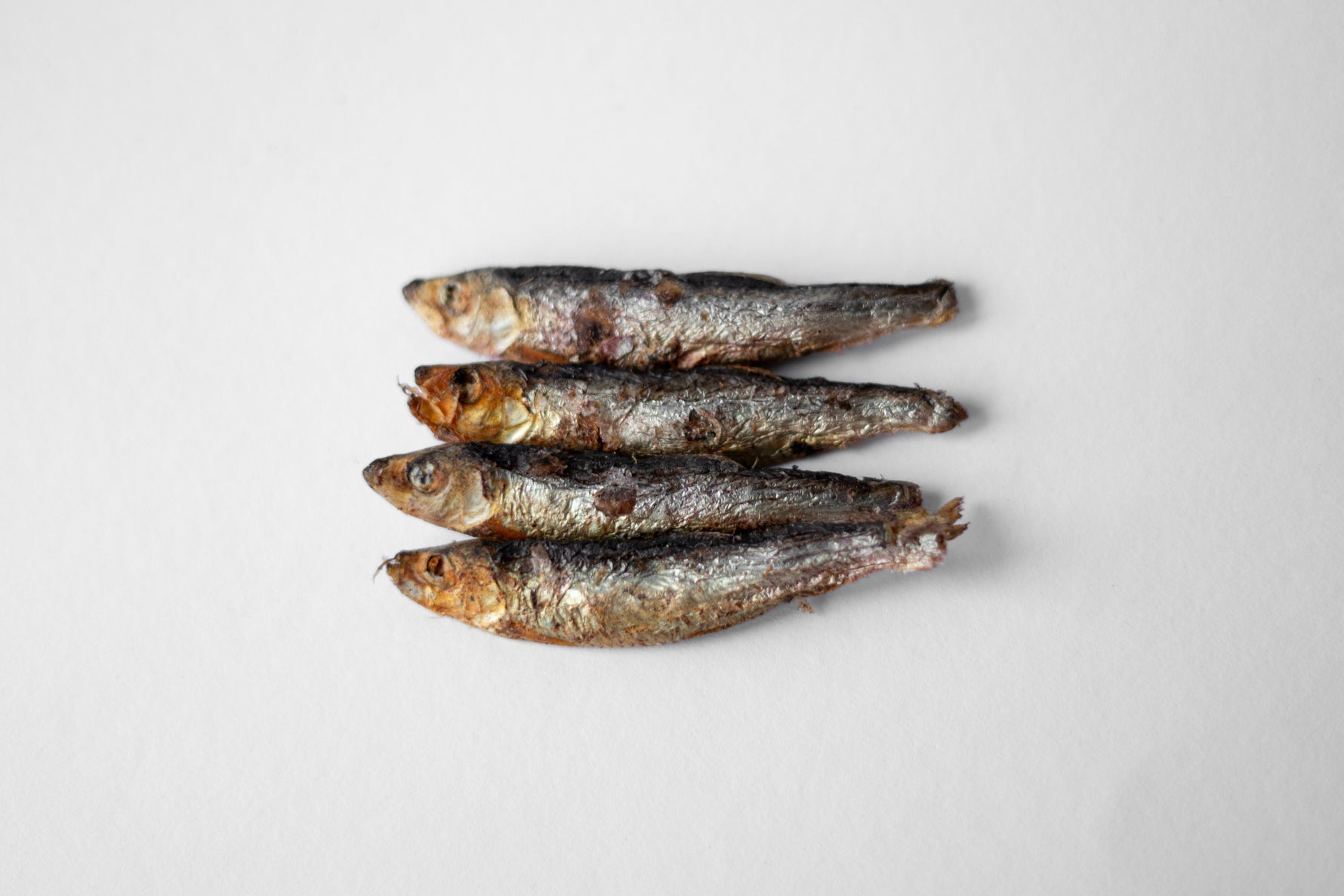
Why All the Talk About Omega-3 Fatty Acids? If you own a dog, chances are you’ve been part of at least one conversation about dog food. And quite often, that conversation ends up focusing on one specific nutrient: omega-3 fatty acids. But why is there so much hype around omega-3s in dog food? What makes omega-3 fatty acids so special compared to other nutrients? And what should you be aware of when choosing omega-3 supplements for your dog? That’s exactly what you’ll learn in the following. Table of Content What Are Omega-3 Fatty Acids? Which Omega-3 Fatty Acids Exist? The Vital Physiological Functions of EPA and DHA It Doesn’t Stop There What to Know When Choosing and Storing Omega-3 Supplements for Your Dog Next Time You’re at the Dog Park… What Are Omega-3 Fatty Acids? Omega-3 fatty acids are polyunsaturated fats essential to a range of physiological processes. They belong to the group of long-chain fatty acids, making them particularly reactive and biologically active. That’s important to keep in mind when selecting an omega-3 supplement—and knowing how to store it properly. Because dogs can’t produce sufficient amounts of omega-3 fatty acids on their own, they must be supplied through the diet. This makes omega-3s essential nutrients for dogs.   See Product Which Omega-3 Fatty Acids Exist? The omega-3 fatty acids most commonly discussed in canine nutrition are alpha-linolenic acid (ALA), eicosapentaenoic acid (EPA), and docosahexaenoic acid (DHA). While all three are omega-3s, they are not equal when it comes to feeding your dog. ALA is found in many plant-based oils like flaxseed oil, hemp seed oil, and chia oil, and can be converted in the body into EPA and DHA. However, dogs are not very efficient at converting ALA—only about 5–10% of it becomes EPA, and less than 1% becomes DHA. This means that plant oils—except one—can’t replace ingredients rich in EPA and DHA. That exception is algae oil, which is the only plant-based oil rich in both EPA and DHA. All other significant sources of EPA and DHA come from marine sources like fish, mussels, krill, and algae. Why EPA and DHA Are So Important  You might ask, “Why can’t I just use a good plant oil rich in ALA?” It’s usually easier and more affordable. The answer lies in the broad spectrum of physiological effects that EPA and DHA offer—but ALA does not. Although ALA is an essential fatty acid on paper, its main purpose is to serve as a precursor to EPA and DHA. And since dogs can barely make that conversion, ALA is not physiologically sufficient. It can’t meet your dog’s real omega-3 needs, especially in cases of inflammation, pregnancy and lactation, brain development in puppies, or skin and coat issues. Here’s the catch: if you're aiming for a low omega-6 to omega-3 ratio (for good reason, which we'll get into later), you can't solely rely on the numbers listed by dog food manufacturers. A ratio of 4:1 or 3:1 might look great—but if the omega-3s come primarily from ALA, the food won’t have the desired effect. The upside? You don’t need to worry about your dog getting enough ALA. You can focus entirely on EPA and DHA. Wild-caught Baltic Sprat Graphic © Hokuō® New Zealand Green-Lipped Mussel Graphic © Hokuō® The Vital Physiological Functions of EPA and DHA Anti-inflammatory Properties One key reason is EPA’s anti-inflammatory effect. This is where the omega-6 to omega-3 ratio becomes highly relevant. Arachidonic acid (AA), an omega-6 fatty acid, and EPA are both processed in the body via the same enzymatic pathways: cyclooxygenase (COX) and lipoxygenase (LOX). These enzymes convert the fatty acids into eicosanoids, hormone-like messengers that help regulate inflammation. When AA is processed, it mainly creates eicosanoids that promote inflammation, pain, fever, and the attraction of white blood cells—essential during an acute infection. But too much AA activity can lead to chronic inflammation. EPA, on the other hand, is converted into eicosanoids that counteract inflammation. Since EPA and AA compete for the same enzymes, a higher EPA concentration in the bloodstream helps reduce the dog’s inflammatory response. EPA and DHA are also precursors to specific signaling molecules that actively resolve inflammation and support tissue repair. Role in Joint Health and Osteoarthritis This anti-inflammatory action is also why omega-3s play such a key role in managing osteoarthritis. Osteoarthritis is a low-grade, chronic inflammation of the joints. The anti-inflammatory properties of EPA and DHA can reduce joint swelling, pain, and stiffness. Studies have shown that dogs with osteoarthritis supplemented with marine omega-3s walked better and longer, showed less pain behavior, and needed fewer NSAIDs. There’s also potential for EPA and DHA to slow down the progression of osteoarthritis by reducing cartilage breakdown. Brain Development and Cognitive Function Marine omega-3s aren’t just good for inflammation—they’re also crucial for brain health. DHA, in particular, is vital for nervous system development in puppies and maintaining cognitive function in older dogs. That’s not surprising, given that DHA is a key structural component and the most abundant fatty acid in the canine brain. Several studies suggest that puppies given DHA supplements after weaning learn faster, show improved cognition, and have better memory compared to those that didn’t get DHA. The same applies to puppies whose mothers received DHA during pregnancy—they performed significantly better in behavioral and cognition tests. It Doesn’t Stop There And no, the benefits don’t stop here. EPA and DHA also support the skin barrier, contributing to better skin and coat health. The cardiovascular system also benefits from marine omega-3s, and DHA has been shown to improve not only cognition but also visual development in puppies. A recent observational study even suggests that including marine omega-3s in puppy diets may significantly reduce the risk of epilepsy later in life. What to Know When Choosing and Storing Omega-3 Supplements for Your Dog Choose fish oils or other omega-3 supplements from sustainable sources that are tested and purified for contaminants like heavy metals and PCBs. Omega-3s are very sensitive to oxidation (remember: highly reactive and biologically active). Oxidized fats are not just ineffective—they can actually harm your dog’s tissues by forming free radicals. The Totox value (short for total oxidation) is a measurement of how oxidized an oil is. The lower the Totox value, the less oxidized the oil. Aim for a Totox value under 5. Unfortunately, this value isn’t always disclosed by the manufacturer. Store omega-3 supplements in a way that protects them from light, heat, and oxygen. Keep them in the fridge and use them within a few weeks. You can also meet your dog’s omega-3 needs by including fatty fish in their regular diet. Depending on the amount of fish, additional supplementation may not be necessary. Many complete dog foods also contain marine omega-3s—but just like supplements, they’re vulnerable to oxidation. So by the time the food reaches your dog’s bowl, the omega-3s might have lost their effectiveness. This depends on many factors: the quality of the omega-3 source, how the food is packaged, how long it’s been stored by the manufacturer, the retailer, and you—and even the size of the food bag, which affects how long the food is exposed to oxygen.   See Product   See Product Next Time You’re at the Dog Park… Next time you’re out in the dog park and the topic of dog food and omega-3s comes up, chances are you’ll know more than anyone else in the conversation—and you might even have a tip or two to share. Sources: Antonelli, C. et al. (2023). Effects of docosahexaenoic acid dietary supplementation on cognitive learning and memory in healthy puppies. Animals, 13(20), 3261. Bauer, J. E. (2011). Enhancing canine cognition with omega-3 fatty acids. Nestlé Purina Nutrition Forum. Bauer, J. E. (2006). Therapeutic use of fish oils in companion animals. Journal of the American Veterinary Medical Association, 229(11), 1761–1764. Bauer, J. E. et al. (2018). Evaluation of enrichment of diets with omega-3 fatty acids and effects on plasma fatty acid profiles in dogs and cats. Journal of the American Veterinary Medical Association, 252(12), 1470–1478. Calder, P. C. (2017). Omega-3 fatty acids and inflammatory processes: from molecules to man. Biochemical Society Transactions, 45(5), 1105–1115. Carlisle C. et al. (2024). The Effects of Omega-3 Supplementation on the Omega-3 Index and Quality of Life and Pain Scores in Dogs. Animals, 14(21):3108. Freeman, L. M. et al. (2010). The role of nutritional supplements in cardiac disease. Journal of Veterinary Cardiology, 12(3), 149–155. Fritsche, K. L. et al. (2010). Omega-3 polyunsaturated fatty acids and immune regulation. British Journal of Nutrition, 104(Suppl 2), S1–S9. Heinemann, K. M. et al. (2005). Docosahexaenoic acid supplementation during pregnancy and lactation affects visual, cognitive, and behavioral development in dogs. Journal of Nutrition, 135(8), 1960S–1964S. Hemida M. et al. (2023). Assessing the association between supplemented puppyhood dietary fat sources and owner-reported epilepsy in adulthood, among Finnish companion dogs. Frontiers in Veterinary Science, 10:1227437. Lenox, C. E. & Bauer, J. E. (2013). Potential adverse effects of omega-3 fatty acids in dogs and cats. Journal of Veterinary Internal Medicine, 27(2), 217–226. Logas, D. & Kunkle, G. A. (1994). Clinical response of canine pruritus to dietary supplementation with omega-3 and omega-6 fatty acids. Veterinary Dermatology, 5(3), 99–104. Packer, R. M. A. et al. (2023). Fish-based fat sources in puppyhood are associated with reduced risk of idiopathic epilepsy in adult dogs. Frontiers in Veterinary Science, 10, 1202192. Roush, J. K. et al. (2010). Evaluation of the effects of dietary supplementation with fish oil omega-3 fatty acids on weight bearing in dogs with osteoarthritis. JAVMA, 236(1), 67–73. Shahidi, F. & Zhong, Y. (2010). Lipid oxidation and improving the oxidative stability. Chemical Society Reviews, 39(11), 4067–4079. Zicker, S. C. et al. (2012). Cognitive and behavioral effects of dietary supplementation with fish oil in senior dogs. The Veterinary Journal, 192(3), 426–431. Zicker, S. C. et al. (2012). Evaluation of cognitive function in puppies fed dietary docosahexaenoic acid. Journal of the American Veterinary Medical Association, 240(8), 935–941. The Author: Ann-Kristin Meyer MSc in Animal Science from the University of Copenhagen, specializing in canine nutrition, Owner of HundeFoderNørden 3 Easy Summer Lickmat Recipes for Cats & Dogs Read more Bone Broth for Dogs and Cats: Liquid vs Dehydrated? Read more How Are Freeze Dried Treats for Cats and Dogs Made? Read more
homemade lickmat recipes

3 Easy Summer Lickmat Recipes for Cats & Dogs

von/ durch Christian Adamsen am Mai 19 2025
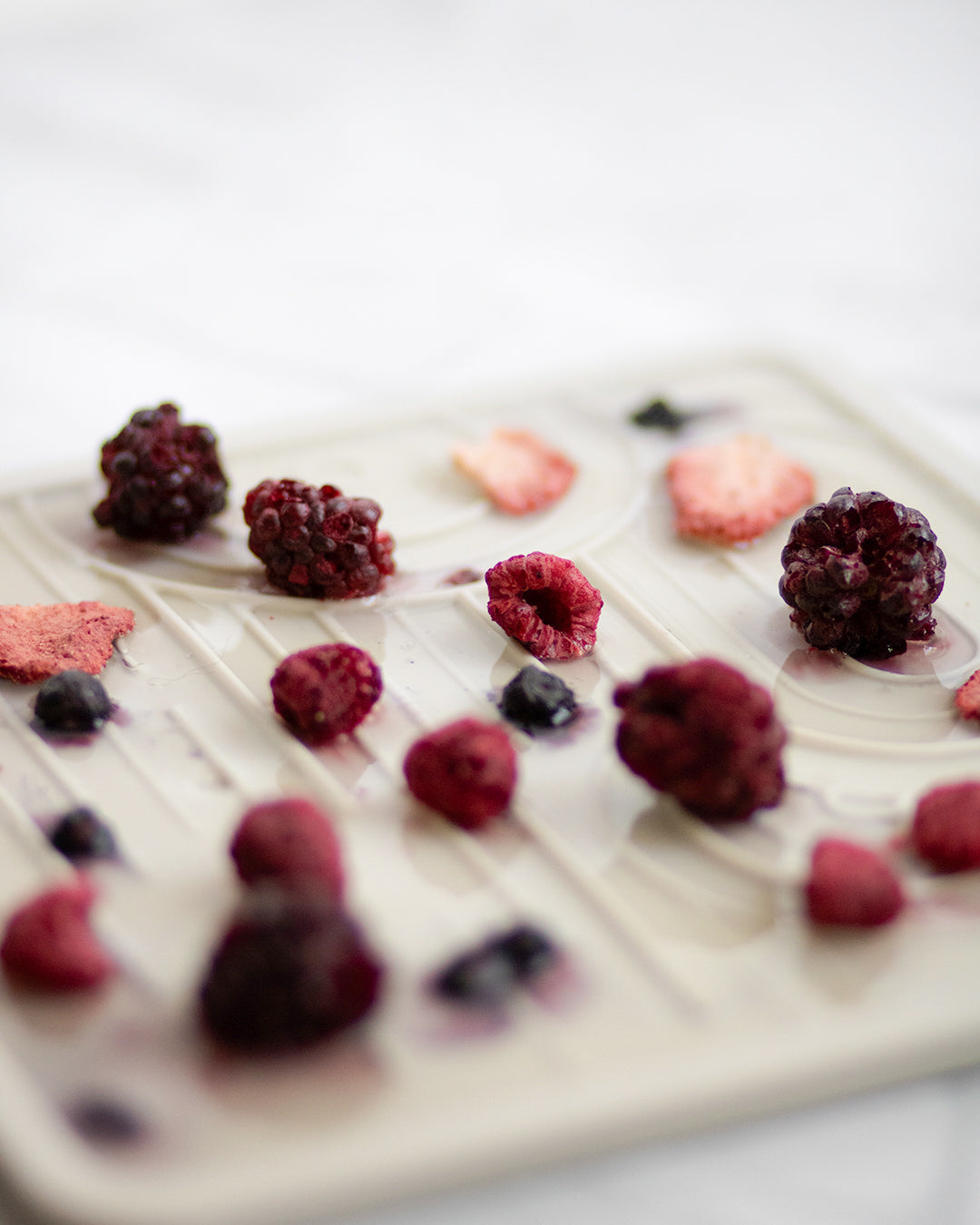
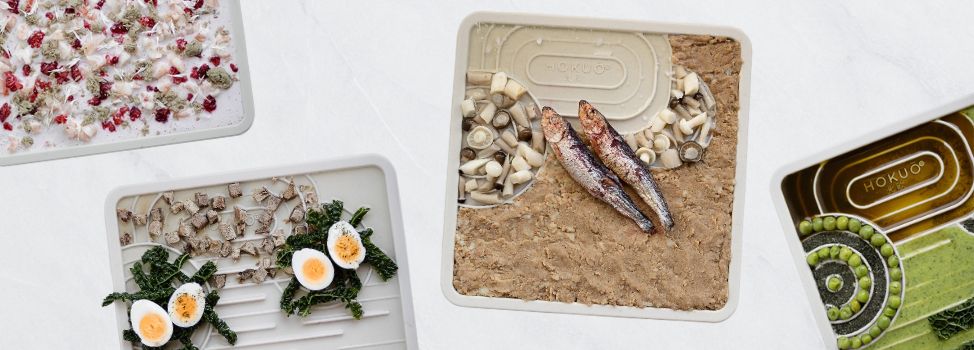
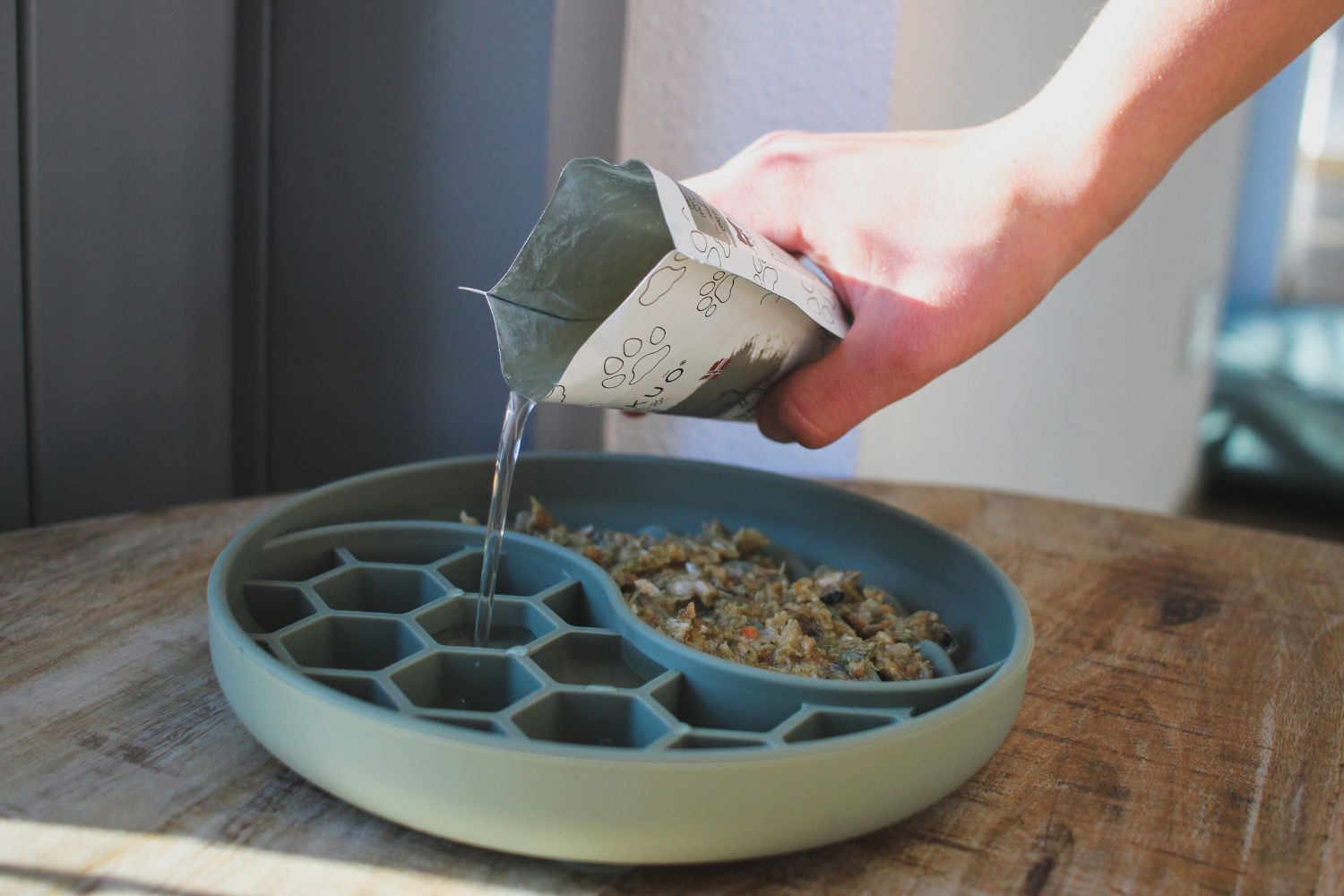
As the nights grow longer and the temperatures rise, it’s important to find gentle, nourishing ways to keep our pets engaged and cool. We’ve created three simple summer lickmat recipes to try — made with wholesome ingredients and cooling textures that offer hydration, lightness, and calm Summer Lickmat Recipes Made for Slow Days These three lickmat recipes were created with that rhythm in mind: light, refreshing, and full of natural goodness. Perfect for cats and dogs to enjoy during those slow, sun-filled afternoons. Developed in collaboration with a certified pet nutritionist, each recipe uses safe, nourishing ingredients that support digestion and calm. Think of them as summer in every lick — cool, grounding, and made with care. Explore the Recipes Berry Broth Breeze (Cats & Dogs) Dandelion Dream Cream (Cats & Dogs) Strawberry Mint Cooler (Dogs Only) Berry Broth Breeze (Cats & Dogs) What You'll Need 75 ml Bone Broth of your choice A handful of freeze-dried berries If you’ve ever enjoyed a scoop of berry sorbet on a warm evening, you’ll understand this one.A simple mix of bone broth and berries, created to capture that summer pause — gentle and cooling for both cats and dogs. How to Make It Pour the bone broth gently over the lickmat, covering the surface evenly. Sprinkle freeze-dried berries over the top, letting them settle into the liquid. Place in the freezer for about 2 hours. Once frozen, serve for a refreshing, light treat. Did you know: The berry mix includes blueberries, raspberries, strawberries, and blackberries — all full of antioxidants and fiber. Combined with elk bone broth , rich in natural nutrients, it’s a hydrating, nourishing boost for both cats and dogs. Shop Now Shop Now Shop Now Dandelion Dream Cream (Cats & Dogs) What You'll Need 75 ml plain, unsweetened kefir Your pets dosage of Hokuō® Dandelion Extract Powder A small handful of freeze-dried berries Optional: a few fresh dandelion leaves for colour The first sign of summer? A dandelion in bloom.This recipe honours that quiet beauty with creamy kefir, sweet berries, and the soft power of dandelion — grounding and nourishing in every lick. How to Make It Mix the kefir and dandelion powder in a small bowl until smooth and blended. Spread the mixture gently across the lickmat. Crush the dried berries slightly and scatter them over the top. Add a few fresh dandelion leaves if desired. Freeze the mat for at least 2 hours. Serve cool and creamy — a nourishing moment of calm for your pet. Did you know: Dandelion isn’t just a cheerful sign of summer — it also supports liver function and digestion in both cats and dogs. Paired with probiotic-rich kefir and antioxidant-packed berries, this creamy frozen treat is soothing, nourishing, and made for warm, slow afternoons. Shop Now Shop Now Shop Now Strawberry Mint Cooler (Dogs Only) What You'll Need 6 ripe strawberries 6 fresh mint leaves 75 ml Hokuō® Elk Bone Broth A pinch of freeze-dried strawberries There’s something nostalgic about a strawberry daiquiri on a sunlit afternoon — cool, sweet, and easy. We created this dog-friendly version with that feeling in mind: refreshing, light, and made for slow summer days. How to Make It Wash the strawberries and mint leaves. Mash the strawberries until soft and chop the mint finely. Combine both in a small bowl and mix gently. Spread the mixture across the lickmat, smoothing it into the grooves. Slowly pour the elk bone broth over the top. Lightly crush a few dried strawberries and sprinkle them across the surface. Freeze for at least 2 hours. Serve straight from the freezer on a warm day. Did you know: Mint can support digestion in dogs, and strawberries offer vitamin C and natural antioxidants. When paired with elk bone broth — slow-simmered for collagen and minerals — this becomes a refreshing, belly-friendly treat on warm days. Shop Now Shop Now Shop Now Why Summer Lickmat Recipes Matter Summer invites us to slow down — and our pets feel it too. These summer lickmat recipes offer more than just cooling treats. They provide hydration, gentle nutrition, and a mindful pause in your pet’s day. Whether it’s the fruity freshness of berries, the calming benefits of dandelion, or the comfort of bone broth, each recipe is crafted to nourish both body and mood. Make these summer lickmat recipes a part of your warm-weather routine — and create soft, joyful moments your pet will look forward to all season long. Bone Broth for Dogs and Cats: Liquid vs Dehydrated? Read more How Are Freeze Dried Treats for Cats and Dogs Made? Read more 4 Homemade Lickmat Recipes for Cats & Dogs: Japandi-Inspired, Simple & Healthy Read more
Bone Broth For Pets

Bone Broth for Dogs and Cats: Liquid vs Dehydrated?

von/ durch Christian Adamsen am Mai 13 2025
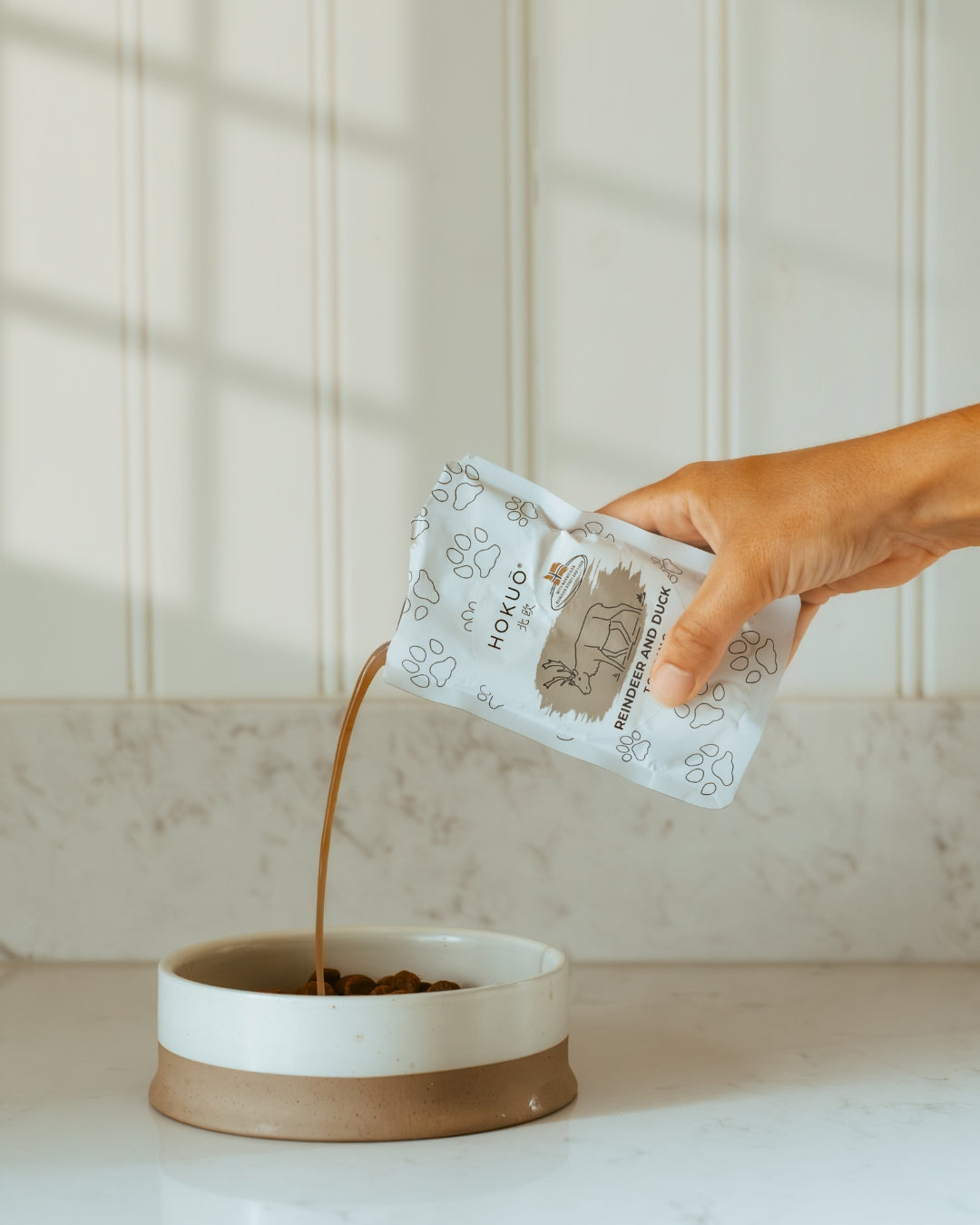
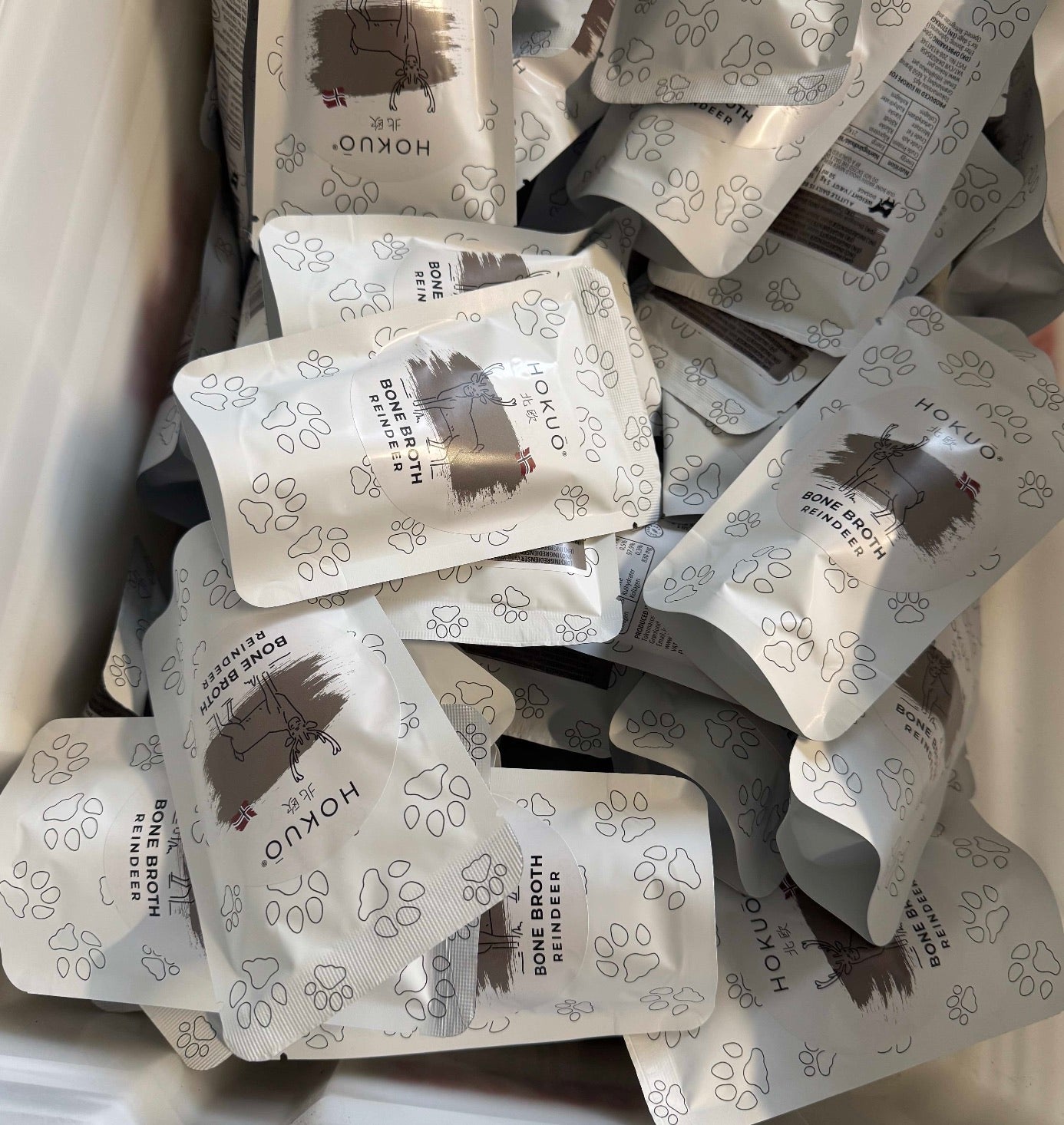
Bone broth has been passed down through generations for a reason. When made properly, it's not just a warm liquid with flavour — it's an extraction. A careful process of low-simmering bones and connective tissue over time, to draw out the nutrients the body can absorb and use. For pets, it can be a powerful addition to their diet. But as with anything: not all bone broths are made equally. Bone Broth For Dogs and Cats - Real Bone Broth vs Flavoured Water True bone broth takes time. It’s simmered slowly, often over 12 to 24 hours, to allow for a deep release of amino acids, collagen, and minerals from the bones. The difference between this and a quick-cooked stock is more than just taste. Shorter cooking times extract some flavour, but not the nutrients your pet’s body needs. These fast versions are closer to flavoured water than real bone broth. If it’s done too fast, with the wrong bones, or without proper preparation — it may smell nice, but it won't carry the benefits. Table Of Content Real Bone Broth vs Flavoured Water The Role of Bone Type and Cuts Why Animal Lifestyle Matters Why Human-Grade Matters Dehydrated Bone Broth vs Liquid Bone Broth Nutritional Benefits: A Deeper Dive Real bone broth is made with care, not shortcuts. The Role of Bone Type and Cuts Many people associate a good bone broth with how gelatinous it becomes after cooling. While gelatin is a sign of natural collagen being extracted, it’s not the only marker of a well-made bone broth. The amount of gelatin depends on the type and part of the bone: Chicken feet and beef knuckles are especially rich in collagen, which gives the bone broth that "jelly" texture when cooled. Chicken carcasses or meaty rib bones might yield a thinner bone broth, but still full of amino acids and minerals. Long bones (like elk femurs or reindeer legs) offer a complex mineral profile, even if they result in a lighter gelatin structure. Some bones are rich in collagen, others in amino acids or key minerals. That’s why we use a blend of different bones — it creates a more balanced and nutritionally complete bone broth for dogs and cats. What matters most is how the bones are treated — not just in the pot, but how the animals lived. Why Animal Lifestyle Matters We choose wild and free-range animals because you can taste and see the difference in the bones. Wild reindeer roam the Norwegian mountains, eating lichen, moss, and forest plants. Their bones are denser, and their tissues are richer in micronutrients. Elk, also wild, forage a natural diet and move freely across vast areas. This strengthens their skeleton and connective tissue — ideal for bone broth. Free-range chickens and turkeys move naturally and eat: insects, herbs, and roots. This gives better marrow and richer nutrients. Grass-fed beef bones come from animals raised the way they should be — grazing on pasture, not confined. That difference is reflected in the mineral content of their bones. Irish lamb graze freely on open pastures, just as nature intended. Their bones are clean, mineral-rich, and ideal for creating a gentle, mild-flavoured bone broth. A bone broth is only as good as what it comes from. And we only use bones from animals that lived the life they were meant to. Why Human-Grade Matters We don’t use off-cuts, by-products, or category 3 materials. Only bones and ingredients that are fully human-grade — from sourcing and transport to processing. This gives us full control over quality and transparency, and gives your pet a product you can feel confident about. Dehydrated Bone Broth vs Liquid Bone Broth With more dehydrated bone broths for dogs and cats appearing on the market, it’s easy to wonder: which is better? Dehydrated bone broth is typically made by heat-drying already-cooked bone broth or by extracting nutrients using high temperatures and spray-drying. These methods make it convenient and shelf-stable — but not without trade-offs. Heat-sensitive compounds like collagen, amino acids, and minerals can degrade during the drying process. These include nutrients that play an important role in gut health and digestion — one of the core reasons we give bone broth in the first place. The flavour and scent are often milder or altered due to processing. Mixing with water doesn’t fully recreate the texture and depth of a true liquid bone broth. In contrast, liquid bone broth is slow-simmered from the start.To keep it safe without preservatives, we use a short steam-based method called autoclaving. It gently steam pressure to remove bacteria — making the bone broth shelf-stable, without compromising its natural flavour or nutrients.For pets, that means: Better digestibility Stronger scent and flavour (which picky eaters love) More preserved nutrients like glycine, glucosamine, proline, and key minerals Nutritional Benefits: A Deeper Dive Want to understand what bone broth actually does for your pet? Read our in-depth guide written in collaboration with a certified pet nutritionist here . From gut support and joint health to immune function and hydration, real bone broth supports it all. Benefits of Bone Broth for Your Pet's Health Read Now The Convenience Dehydrated bone broth is often praised for convenience — but it’s not the only option. Our bone broths are available in both 400ml and 100ml pouches. The 100ml size is perfect for travel, enrichment, or freezing — so you can bring real bone broth with you anywhere. Real bone broth is made with care, not shortcuts. At Hokuō®, we honour the process — and your pet. Every batch is made with traceable, human-grade ingredients, sourced within Europe, and slow-simmered in small batches. Because better bone broth starts with better bones. See Product See Product See Product See Product See Product See Product See Product See Product Want to read more? The First Reindeer Bone Broth on the Market – And It's Wild! Read more Why Alaria Esculenta is a Powerhouse of a Seaweed Read more Dandelion Extract Benefits for Cats & Dogs Read more
Freeze dried treats for cats and dogs

How Are Freeze Dried Treats for Cats and Dogs Made?

von/ durch Marleen Meindersma am Mai 10 2025
They’re light. Crisp. Smell like fresh ingredients. No fridge required. No additives needed. Just clean, raw food and gently preserved. You might have seen freeze dried treats for cats and dogs before. Maybe even used them as a high-value training reward or a daily snack. But have you ever wondered how they’re actually made? In this blog we’ll take you down this process… Read along! It’s easy to imagine a machine doing all the work. You load the ingredients, press a button and walk away. But the truth? It’s not that simple. Freeze drying is a slow, careful process. And when done right, it’s more than just preservation. It’s protection. Of nutrients. Of texture. Of what makes the food worth feeding in the first place. At Hokuō® we believe that what stays in matters just as much as what’s taken out. And behind every one of our freeze dried treats for cats and dogs is a quiet kind of expertise. The kind you only build through years of doing things the hard way, on purpose. Let’s take you inside that process. But before we step inside the process, there’s something else worth understanding... Overview Freeze drying = the closest thing to raw What is freeze drying? Why does heat matter so much? How are our freeze dried treats for dogs and cats made? A decade of quiet refinement Why freeze dried treats for cats and dog matter In the end? Freeze drying = the closest thing to raw Freeze drying is not simply a way to preserve food. It’s more than that. It’s the closest and cleanest alternative to a raw food diet - offering fresh, almost untouched ingredients, with nothing lost but moisture. And even if you only use freeze dried as a topper or snack, they still add value to your pet’s diet. While most pet foods go through heat and processing to ensure safety and shelf life, freeze dried food and treats stay true to their original form. No reshaping, no extra steps. Just raw ingredients, gently preserved. The infographic shows where freeze dried sits on the scale of processing - a simple way to see the difference. This difference is worth understanding. Because while raw food nourishes by nature, ultra-processed products (even when labeled ‘healthy’) can quietly undermine your pet’s well-being over time. Source: The Forever Dog | Intergraph: Martin Fredskov for Hokuō® And that’s why we’ve chosen it. To preserve what matters , and to make it easy to bring species-appropriate treats into your pet’s life - in a way that fits yours. Want to explore a little further?Small steps toward fresher food can bring a lot of meaningful benefits. Whether it’s a full raw diet or simply adding freeze dried toppers and treats... Every bit of real, unprocessed nutrition helps. There’s no need for all-or-nothing thinking. We wrote more about this idea, for anyone curious about finding balance and doing what’s possible. Click here to read blog What is freeze drying? So, what is freeze drying, really? In simple terms, freeze drying (or lyophilization if you want the scientific term) is a preservation method that removes moisture from food… without ever heating it. Originally developed by NASA to preserve food for astronauts, the goal was clear: keep the food shelf-stable, lightweight and nutritionally intact - even in space. Turns out, those same goals apply beautifully to pets here on Earth. Here’s how it works: The ingredients are frozen, locking everything in place. They’re placed into a vacuum, where the ice gently vaporizes. We’re skipping the liquid stage! What’s left is the dry version of the original. Same shape. Same smell. Same nutrients. Why does heat matter so much? You might wonder why heat matters so much. The answer is simple but important. Heat doesn’t just remove moisture. It also changes the food itself. When proteins, fats and sugars are exposed to heat, chemical reactions begin - a process known as  glycation . These reactions can create compounds that the body struggles to break down. Over time, they may quietly build up, contributing to inflammation, joint issues, digestive troubles and even chronic conditions like diabetes, early aging or certain types of cancer. That’s what makes freeze dried treats for cats and dogs so different. No cooking. No shrinkage. No shortcuts. They’re not processed - just preserved. How are our freeze dried treats for dogs and cats made? Let’s take you with us - this is what the process looks like at Hokuō®... We start with raw ingredients. Fresh duck hearts. Reindeer liver. Rabbit ears. Always sourced from trusted European suppliers - mainly in Norway, Finland, and Estonia. Places where transparency, animal welfare, and quality control still mean something. And always of human-grade quality. The same standard you’d expect from food meant for your own plate. Because when the base is good, the outcome can be excellent. A decade of quiet refinement Then, we work with our European factory, which has spent over a decade refining the art of freeze-drying. They know - from years of experience - how to handle every part: muscle meat, organs, bones, even the furry parts . Each has its own moisture profile, structure, and drying needs. How to dry venison without losing its scent. How to preserve the delicate shape of a rabbit ear. How to keep nutrients intact, batch after batch. Each product is handled differently - depending on its moisture, structure, and size. Because not everything should be treated the same. Once the process is complete, the treats are shelf-stable, lightweight and dry to the touch. However it is still biologically raw . No preservatives needed. No fridge required. And because the structure of the meat is preserved, the flavor and scent remain incredibly appealing to pets. The result is a treat that’s as close to nature as possible. Just with the moisture taken out! Why freeze dried treats for cats and dog matter We’re not here to chase trends. We’re here to offer something that respects an animal’s natural diet - and does it with care. Our freeze dried treats for cats and dogs offer: Pure ingredients, nothing unnecessary. Simple storage - no fridge, no fuss. Honest nutrition, preserved without heat. Biological safety - thanks to the quality of both the ingredients and the process. But none of it matters without good ingredients. Even the best technique can’t fix what wasn’t right to begin with. That’s why we always start with sourcing. Everything else follows. In the end? Freeze drying isn’t just about removing moisture. It’s about keeping what matters - and letting go of what doesn’t. At Hokuō®, every treat we make begins with respect . For the animal it came from. For the pet it’s meant for. And for the process that makes it possible. Simple, good food. Handled with care. That’s all it ever needed to be. View product View product View product Explore all our freeze-dried products The Author: Marleen Meindersma Freelance blog writer for Hokuō®
homemade lickmat recipes

4 Homemade Lickmat Recipes for Cats & Dogs: Japandi-Inspired, Simple & Healthy

von/ durch Christian Adamsen am Mai 01 2025
Imagine stepping into a Japanese garden — a place so still and beautiful that your body just decides to relax. That was the feeling I had the first time I visited a Karesansui garden in Japan. Complete calm. A sense of peace that stays with you. When I began designing the first Hokuō® lickmat, I explored many ideas. But none felt truly right. I wanted to create something original — something that reflected my love for Japanese culture, and at the same time, honoured my Scandinavian roots. A Memory That Became a Moment One Saturday night, I woke up with that garden memory fresh in my mind. I knew that was it. That was the feeling I wanted to recreate. I called my graphic designer, and together we worked through the night. By morning, the Hokuō® Karesansui Lickmat was born.The depth: the lines, the texture — it’s all created to help your pet calm down. To gently activate the nervous system through licking. Because as the tongue follows the soft ridges of the Karesansui, something shifts. Calm begins to settle in. Just like the feeling I had walking through those quiet gardens in Japan. A Ritual Rooted in Care If you know the brand, you know nothing is left to chance. I had a clear vision: a product that didn’t just look beautiful, but felt purposeful. Designed with texture and depth to gently stimulate your pet’s nervous system — a tool for calm and enrichment. And I knew this launch had to go deeper. It had to include my passion for pet nutrition. So I reached out to a Dutch pet nutritionist and shared my idea. I asked if she’d like to collaborate and bring it to life — and here we are. A Journey in Four Recipes So I’m very proud to introduce you to four homemade lickmat recipes, Japandi inspired: The calm of green tea, the comfort of ramen, the new life of cherry blossom and the warmth of shiitake. Each one is created for both cats and dogs, using whole ingredients that nourish gently — and beautifully. Experience the texture and the flavours of each recipe to find calm — just like I did the first time I walked through a Japanese garden. This space is yours to be present, to nourish your cat or dog in a calming and intentional way. No rush. No pressure. Just the joy of sharing a peaceful, beautiful moment together.Ready to create something meaningful? Let’s dive into the 4 original homemade lickmat recipes we created just for you and your pet! Explore the Four Recipes The Calm of Green Tea The Comfort of Ramen The New Life of Cherry Blossom The Warmth of Shiitake What You'll Need 1/4 leaf green cabbage 30g frozen peas 50ml water 1 tsp Hokuō® Nagomi 1 tsp Hokuō® Organic Alaria Esulenta (seaweed) Inspired by the calm of a Japanese tea moment.I wanted this recipe to reflect some of the tea experiences I’ve had in Japan — quiet, grounding, and full of intention. Using green cabbage and peas for gentle digestion, the Hokuō® Nagomi blend for calm, and Hokuō® Organic Alaria Esculenta for its natural minerals and antioxidants, it’s a simple way to help your pet slow down — and feel good doing it. How to Make It Boil the cabbage (set aside two pieces for decoration) and the frozen peas (save a few for topping) in gently boiling water until soft. Blend the cabbage and peas with 30 ml of the water until smooth. Mix 1 tsp of Nagomi with the remaining 20 ml of water . Place everything onto the lickmat — just like in the photo, or in your own way. Did you know: Green cabbage is a source of vitamin C. Peas contain fiber, iron, zinc, vitamin E, and vitamin C. Nagomi is made from chamomile, passion flower, lemon balm, and valerian root. Alaria Esculenta is a freeze-dried seaweed full of minerals, fiber, and vitamins. Shop Now Shop Now Shop Now What You'll Need 75ml Hokuō® Elk Bone Broth 1/4 leaf green cabbage 2 pieces Hokuō® Red Deer Heart 2 quail eggs (or 1 chicken egg) A sprinkle of Hokuō® Organic Alaria Esulenta (seaweed) Inspired by one of Japan’s beloved comfort foods.Ramen is often one of the first things you truly feel when arriving in Japan — warm, deep, and full of care. I wanted to capture that same feeling here, especially with cats in mind , using nutrient-rich Hokuō® Red Deer Heart. This recipe is a nod to that unforgettable moment when you taste the best ramen of your life — comforting, satisfying, and made to be remembered. How to Make It Boil the green cabbage in gently boiling water for about 10 minutes. In the same pan, boil 2 quail eggs for 4 minutes (make a small hole at each end to prevent cracking). Rinse the eggs with cold water and peel carefully . Slice them in half, lengthwise. Cut the cabbage into small strips. Slice the red deer heart into bite-sized pieces. Pour the elk bone broth evenly across the lickmat. Sprinkle the red deer heart over the upper half of the mat. Place the cabbage and eggs as shown in the photo. Finish with a sprinkle of seaweed over half of the eggs. Did you know: Elk broth is made from slow-simmered elk bones and is full of natural collagen and nutrients. Green cabbage is rich in vitamin C. Red deer heart contains iron, vitamin B12, zinc, and omega-3s. Quail eggs are packed with protein, vitamin B, iron, and potassium. Alaria Esculenta is a freeze-dried seaweed with minerals, fiber, and vitamins. Shop Now Shop Now Shop Now Shop Now What You'll Need 50ml kefir 40g raspberries 40g shrimp 1 Hokuō® Duck & Raspberry 1 tsp dried flower petals Inspired by the cherry blossom season — a time of new life.Every spring, Japan turns pink. The cherry blossom bloom is one of the biggest events of the year, and if you’ve been there, you know why. For me, it’s always felt like a fresh start — soft, light, and full of new energy. That’s the feeling I wanted to bring into this recipe. With ingredients like Hokuō® Duck & Raspberry, shrimp , and edible flowers, it’s light, nourishing, and perfect for the change of seasons. How to Make It Boil the shrimp in gently boiling water for about 10 minutes. (Never feed raw shrimp!) Blend the kefir and 3 raspberries until smooth. Chop the cooked shrimp and the remaining raspberries into small pieces. Pour the kefir and raspberry mixture evenly over the lickmat. Sprinkle the shrimp and raspberries across the mat. Crumble one duck/raspberry cookie over the top. Finish with a light scattering of edible flower petals. Did you know: Kefir is packed with probiotics and supports digestion. Raspberries are rich in antioxidants, vitamin C, and compounds that support heart health. Shrimp are a good source of protein, omega-3s, and antioxidants. Duck & Raspberry combine high-quality duck meat with freeze-dried raspberries. Shop Now Shop Now Shop Now What You'll Need 2 small to medium sized potatoes 1 tbsp Hokuō® Organic Shiitake Powder 20ml water 30ml Hokuō® Reindeer Bone Broth 40g shimeji mushrooms 2 Hokuō® Taste Sprats & Beetroot Where shiitake meets childhood comfort.Japanese food culture is really my thing — simple ingredients that somehow create deep, unforgettable flavour. I knew shiitake had to be part of this journey. And being Danish, mashed potatoes were a regular at the dinner table, especially at my grandma’s. So this recipe is a mix of my two food worlds: my love for Japanese mushrooms, and the comfort of something I grew up with. How to Make It Boil the potatoes in gently boiling water for about 15 minutes, until soft. Boil the shimeji mushrooms in a separate pan for about 15 minutes. (Never feed raw mushrooms!) Mash the potatoes with shiitake powder and water until smooth and combined. Chop the cooked shimeji into small pieces. Spread the potato mash over the bottom half of the lickmat. Place the shimeji mushrooms in the texture circles, and pour the broth over the top half. Finish with the sprats placed gently in the middle. Did you know: Potatoes are rich in vitamin A, vitamin C, vitamin B6, iron, and potassium. Shiitake powder is full of antioxidants and amino acids. Reindeer bone broth is slow-simmered and packed with natural collagen and nutrients. Shimeji mushrooms contain vitamin B, iron, and powerful antioxidants. Sprats with beetroot are loaded with omega-3s, vitamin D, and B12. Shop Now Shop Now Shop Now Shop Now Make It Your Ritual I truly hope this inspires you to explore new ways to nourish your pet — or even to create your own version of these nutritionist-developed recipes. Every ritual is different. Share yours with us on social media.Tag @hokuo.pet on social media and use #KaresansuiMoments to join the journey towards homemade lickmat recipes. The First Reindeer Bone Broth on the Market – And It's Wild! Read more Why Alaria Esculenta is a Powerhouse of a Seaweed Read more Dandelion Extract Benefits for Cats & Dogs Read more
Reindeer bone broth for pets

Die erste Rentier-Knochenbrühe auf dem Markt – und sie ist wild!

von/ durch Marleen Meindersma am Mär 20 2025
Stell dir einen Ort vor, an dem die Natur frei ihren Lauf nimmt… Schneebedeckte Landschaften, so weit das Auge reicht. Klare, frische Luft und Rentierherden, die sich anmutig durch die norwegische Wildnis bewegen. Hier beginnt die Geschichte der Hokuō® Rentier-Knochenbrühe für Haustiere. Gewonnen aus wildlebenden norwegischen Rentieren, ist diese Brühe weit mehr als nur ein weiteres Tierfutter-Ergänzungsmittel – sie ist ein Spiegelbild der reinen, ungezähmten Natur, aus der sie stammt. Zum allerersten Mal gibt es Rentier-Knochenbrühe für Katzen und Hunde. Und glaub uns – sie ist einzigartig. Überblick Das norwegische Rentier: Symbol der Wildnis Warum Rentier-Knochenbrühe aus Norwegen?  Warum Knochenbrühe so gut für Hunde und Katzen ist So fügst du sie in den Speiseplan deines Tieres ein Bereit, etwas wirklich Besonderes auszuprobieren? Das norwegische Rentier: Symbol der Wildnis Tief in der arktischen Wildnis ziehen norwegische Rentiere frei umher – so, wie sie es seit Jahrhunderten tun. Diese beeindruckenden Tiere leben in einer der unberührtesten Landschaften der Erde. Sie ernähren sich von nährstoffreichen Moosen, Kräutern, Farnen und Wildgräsern. Sie werden niemals eingesperrt, niemals mit künstlichen Futtermitteln gefüttert und niemals unnötig mit Antibiotika behandelt. Sie verkörpern Natur in ihrer reinsten Form – stark, widerstandsfähig und perfekt an ihre Umgebung angepasst. Wilde norwegische Rentier-Knochenbrühe Dieser natürliche Lebensstil macht ihre Knochen unglaublich nährstoffreich. Reich an Kollagen, wichtigen Mineralstoffen und Aminosäuren enthalten sie die Essenz arktischer Ernährung – und sind damit die perfekte Grundlage für unsere Knochenbrühe für Haustiere. Warum Rentier-Knochenbrühe aus Norwegen? Warum haben wir uns für Knochen von norwegischen Rentieren entschieden? Ganz einfach: Norwegen hat ein starkes Engagement, Dinge richtig zu machen – von der artgerechten Haltung der Tiere bis zur sorgfältigen Gewinnung der Knochen. Die Standards sind extrem hoch – und wir würden uns mit nichts Geringerem zufriedengeben. Jede Zutat in dieser Knochenbrühe ist in Lebensmittelqualität – also sicher, rein und voller Nährstoffe, die du dir auch für dich selbst wünschen würdest. Norwegens strenge Vorschriften und tiefer Respekt vor der Natur sorgen dafür, dass jede Charge Brühe sauber bleibt: ✅ Keine Schadstoffe ✅ Keine künstlichen Zusatzstoffe ✅ Keine Hormone Gelenkunterstützung für Haustiere Mit norwegischen Rentierknochen setzen wir nicht nur auf Qualität, sondern auch auf Nachhaltigkeit und ethische Beschaffung. „Wir wollen nur das Beste für dein Haustier – und mit norwegischen Rentieren bekommen sie genau das.“ Etwas Wildes, Reines und Natürliches. Genau so, wie es die Natur vorgesehen hat. Warum Knochenbrühe für Katzen und Hunde so großartig ist Knochenbrühe ist eines dieser natürlichen Superfoods, das Tiere lieben – und das ihnen in vielerlei Hinsicht guttut: Starke Gelenke: Kollagen, Glucosamin und Chondroitin unterstützen Beweglichkeit und Komfort – ideal für Senioren oder sehr aktive Tiere. Gesunder Darm: Gelatine hilft, die Darmwand zu schützen und eine gute Verdauung zu fördern – besonders wertvoll bei sensiblen Mägen. Starkes Immunsystem: Aminosäuren und Mineralstoffe helfen, die Abwehrkräfte zu unterstützen. Mehr Appetit & Flüssigkeit: Mehr Geschmack im Napf sorgt für bessere Flüssigkeitsaufnahme – perfekt auch für wählerische Esser. So fügst du die Knochenbrühe in den Speiseplan deines Tieres ein Unter’s Futter mischen: Ein kleiner Schuss Brühe macht jede Mahlzeit nährstoffreicher und schmackhafter. Warm servieren: Ideal an kühlen Tagen für zusätzlichen Komfort. Einfrieren: Als Eiswürfel für erfrischende, gesunde Snacks im Sommer.   Jeder Tropfen steckt voller natürlicher Nährstoffe – und der Geschmack wird dein Tier begeistern. Bereit, etwas Besonderes auszuprobieren? Das hier ist nicht einfach nur ein weiteres Ergänzungsfuttermittel – es ist das Original: wild, naturbelassen und voll mit allem, was dein Haustier braucht, um sich rundum wohlzufühlen. Ob für die Gelenke, den Darm oder das Immunsystem – diese Rentier-Knochenbrühe ist ein echter Game-Changer. Probier es aus – und beobachte, wie dein Tier sich verliebt.     Kaufe deine Rentier-Knochenbrühe hier!   Authorin: Marleen Meindersma Freelance blog Authorin für Hokuō®  
Alaria Esculenta seaweed for pets

Warum Alaria Esculenta ein Kraftpaket unter den Meeresalgen ist

von/ durch Marleen Meindersma am Mär 17 2025
Wenn es um die Ernährung von Haustieren geht, kommen Algen vielleicht nicht als Erstes in den Sinn. Aber Alaria Esculenta, eine beeindruckende Bio-Meeresalge für Hunde und Katzen, wird das ändern. Diese Alge, die in den sauberen, kalten Gewässern Norwegens geerntet wird, ist ein natürliches Kraftpaket voller Nährstoffe, die dein Tier für seine Gesundheit braucht. Tauchen wir in die norwegischen Algen-Vorteile ein und sehen, warum Alaria Esculenta einen festen Platz im Futternapf verdient! Warum Algen für Hunde und Katzen immer beliebter werden Meeresalgen entwickeln sich zum beliebten natürlichen Nahrungsergänzungsmittel für Haustiere – und das aus gutem Grund. Sie sind reich an Vitaminen, Mineralien und Antioxidantien und bieten einen nährstoffdichten Boost, der das allgemeine Wohlbefinden unterstützt. Viele Tierhalter greifen zu Algen, um Nährstofflücken zu füllen, die im normalen Futter manchmal fehlen. Ein herausragendes Merkmal von Meeresalgen ist ihr hoher Jodgehalt. Dieses wichtige Mineral spielt eine entscheidende Rolle für die Schilddrüsenfunktion und den Stoffwechsel und macht Algen zu einer wertvollen Ergänzung in der Ernährung deines Tieres. Warum Jod so wichtig für Hunde und Katzen Jod ist essenziell für die Schilddrüsenfunktion und den Stoffwechsel deines Haustiers. Ein Jodmangel kann bei Hunden zu Hypothyreose führen, was sich in Gewichtszunahme, Antriebslosigkeit und Hautproblemen äußern kann. "Im Gegensatz zu Menschen können Hunde Jod nicht effizient im Körper speichern, weshalb ihr Bedarf in der Nahrung höher ist, als man oft annimmt." Katzen hingegen speichern Jod zwar besser, profitieren aber ebenfalls von einer gezielten Supplementierung. Alaria Esculenta ist eine hervorragende natürliche Quelle, um den Jodhaushalt deines Tieres zu unterstützen. Neben Jod liefert sie Präbiotika, Aminosäuren und Phytonährstoffe, die zur allgemeinen Gesundheit beitragen. See Alaria Esculenta in shop Jod: Dosierung beachten! Obwohl Jod für die Schilddrüsengesundheit unverzichtbar ist, sollte es nicht überdosiert werden. Zu viel Jod kann zu Schilddrüsenungleichgewichten wie Hyper- oder Hypothyreose führen. Halte dich deshalb unbedingt an die empfohlene Tagesdosis von Alaria Esculenta, um deinem Tier genau die richtige Menge zu geben. Norwegian seaweed benefits Wichtige Vorteile von Alaria Esculenta Abgesehen vom Jodgehalt bietet Alaria Esculenta eine Reihe weiterer gesundheitlicher Vorteile, die einen großen Unterschied für dein Haustier ausmachen können. Hier erfährst du, wie es unterstützt: Stärkt Immunsystem und VitalitätMit den Vitaminen A, B1, B3, B9, B12 und E stärkt Alaria Esculenta das Abwehrsystem deines Tieres. Mineralien wie Kalzium, Kalium und Eisen fördern die Vitalität. Der hohe Gehalt an Eiweiß (16,6 %) und Ballaststoffen (52,7 %) sorgt für Energie und Gesundheit. Zusätzlich bekämpfen die Antioxidantien in der Alge freie Radikale und unterstützen so die langfristige Gesundheit. Unterstützt gesunde Haut, glänzendes Fell & GelenkeOmega-3-Fettsäuren in Alaria Esculenta helfen, ein glänzendes Fell und gesunde Haut zu erhalten. Das macht sie perfekt für Tiere mit trockener, schuppiger Haut oder stumpfem Fell. Außerdem unterstützt sie die Gelenkgesundheit, reduziert Entzündungen und fördert die Beweglichkeit. Fördert Verdauung & DarmgesundheitDieses natürliche Ergänzungsmittel für Haustiere besitzt präbiotische Eigenschaften, die eine gesunde Verdauung fördern, indem sie das Wachstum nützlicher Darmbakterien anregen. Ein ausgewogenes Darmmikrobiom unterstützt eine bessere Verdauung und Nährstoffaufnahme. Nachhaltig geerntet & 100 % natürlichAlaria Esculenta wird in den kalten, sauberen Gewässern Norwegens geerntet. Zertifiziert biologisch und frei von Schadstoffen ist sie eine natürliche, umweltfreundliche Möglichkeit, die Gesundheit deines Haustiers zu unterstützen, ohne dem Planeten zu schaden. Warum diese biologische norwegische Alge wählen? Hokuō®’s Bio-Alaria Esculenta stammt aus den reinen, kalten Gewässern Norwegens und garantiert höchste Qualität. Sie ist reich an essenziellen Nährstoffen und lässt sich spielend leicht in die tägliche Fütterung integrieren. Shop Alaria Esculenta here! Anwendung von Alaria Esculenta für dein Haustier   Mit nur einer Prise Alaria Esculenta tust du deinem Hund oder deiner Katze jeden Tag etwas Gutes. Von ausgeglichener Schilddrüsenfunktion über ein stärkeres Immunsystem bis hin zu besserer Verdauung – diese norwegische Meeresalge macht den Unterschied! Bereit, die Gesundheit deines Tieres zu stärken? Das Hinzufügen dieser erstaunlichen norwegischen Meeresalge zur Fütterung deines Vierbeiners ist eine einfache Möglichkeit, seine Gesundheit auf natürliche Weise zu unterstützen. Probiere es aus und sieh, wie diese nährstoffreiche Alge einen Unterschied für deinen Hund oder deine Katze macht! Schau auf unserer Produktseite vorbei, um mehr zu erfahren. Alaria Esculenta jetzt für dein Tier shoppen!
Bone Broth for your pet

Multivitamin-Gummies für Hunde: Eine gesunde DIY-Leckerei

von/ durch Marleen Meindersma am Jan 30 2025
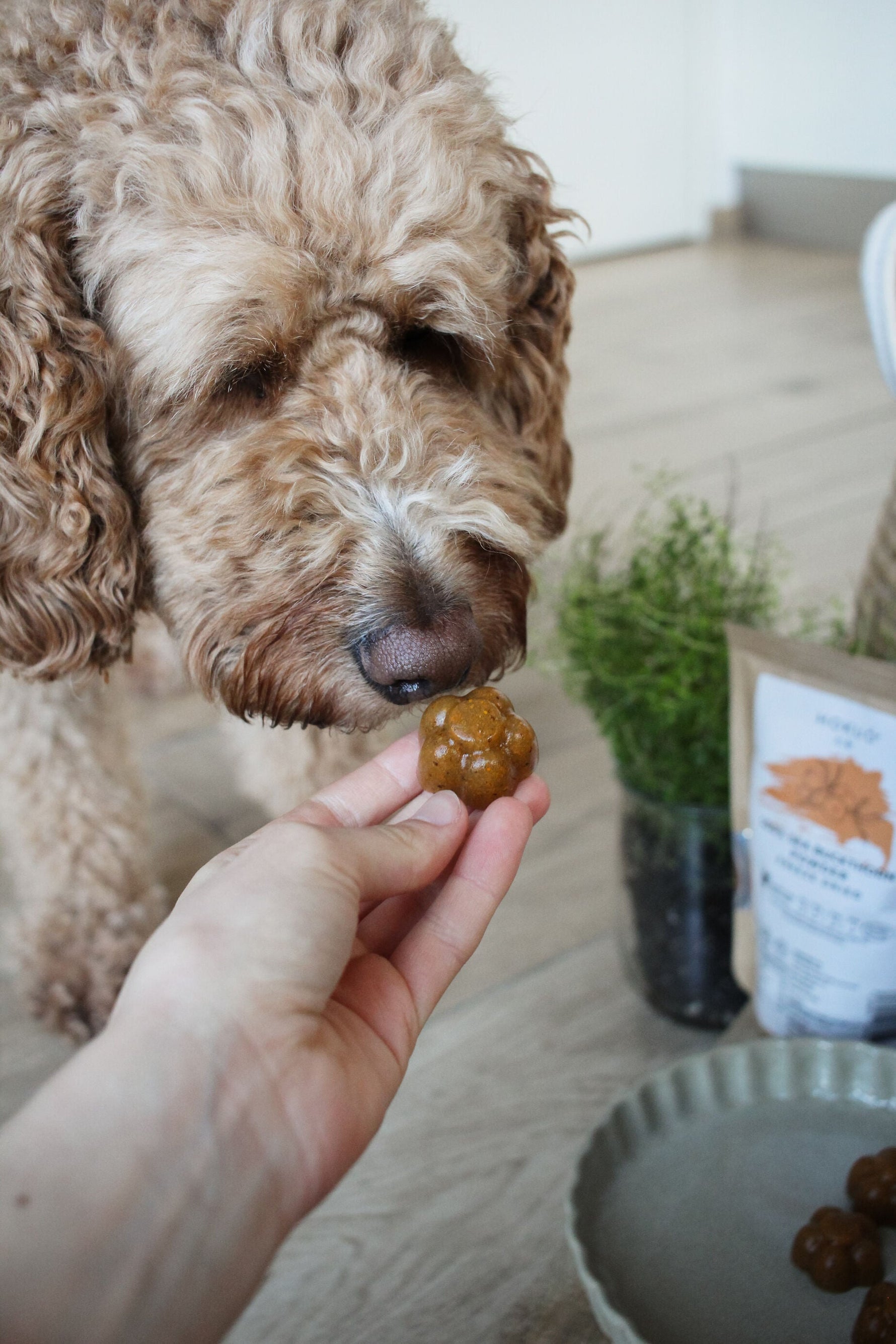
Deinen vierbeinigen Freund gesund und munter zu halten, steht bei jedem Tierhalter an erster Stelle – und eine ausgewogene Ernährung spielt dabei eine Schlüsselrolle. Aber wusstest du, dass selbst das beste Hundefutter manchmal Nährstofflücken hinterlässt? Genau hier kommen Multivitamin-Gummis für Hunde ins Spiel! Diese leckeren, nährstoffreichen Snacks machen es einfach (und spaßig), die Ernährung deines Hundes mit wichtigen Vitaminen und Mineralien zu ergänzen. In diesem Blog erfährst du, warum Multivitamine für Hunde so wichtig sind und erhältst ein einfaches DIY-Rezept, das dein Hund lieben wird! Übersicht Warum Multivitamine für Hunde?, Schlüsselvitamine in Löwenzahn & Sanddorn, Ein stärkeres Immunsystem = ein gesünderer Hund, Gesunde Haut, glänzendes Fell und glückliche Gelenke, Bessere Verdauung & natürliche Entgiftung, Kleine Änderungen, große Vorteile, DIY-Rezept für Multivitamin-Gummis für Hunde, Hausgemachte Hundevitamine für wählerische Esser? Warum Multivitamine für Hunde? Wir alle möchten, dass unsere Hunde lange, glückliche und gesunde Leben führen. Eine ausgewogene Ernährung bildet das Fundament für gute Gesundheit, doch selbst hochwertiges Hundefutter kann an essenziellen Vitaminen und Mineralien fehlen. Genau hier kommen Multivitamine für Hunde ins Spiel! Jeder Hund hat unterschiedliche Bedürfnisse. Manche sind energiegeladene Abenteurer, andere lieben es, gemütlich zu dösen. Unabhängig vom Lebensstil unterstützen die richtigen Nährstoffe die Immunfunktion, Verdauung, Haut- und Fellgesundheit sowie die Gelenkbeweglichkeit. Natürliche Nahrungsergänzungen wie Löwenzahnextrakt für Hunde und Sanddorn für Haustiere bieten gezielte Unterstützung, um Nährstofflücken zu schließen und deinen Hund in Bestform zu halten. Lass uns einen genaueren Blick auf die Vorteile dieser kraftvollen Zutaten werfen! Foto von Marleen Meindersma für Hokuō® Schlüsselvitamine in Löwenzahn & Sanddorn Die Natur liefert potente Nährstoffe, die die Gesundheit deines Hundes fördern. Diese beiden Superfoods stecken voller Vitamine, Mineralien und Antioxidantien: Löwenzahn:Unterstützt Leber- und Nierenfunktion, Verdauung und allgemeines Wohlbefinden Vitamine A, C und K für Immunität, Sehkraft und Zellreparatur B-Komplex (B1, B2, B3, B6, Folsäure) für Energieproduktion, Gehirnfunktion und Hautgesundheit Magnesium, Kalzium, Kalium und Eisen für starke Knochen, Muskelfunktion und gesunde Blutkreisläufe Sanddorn:Reich an Omega-Fettsäuren (3, 6, 7, 9) für gesunde Haut und glänzendes Fell Vitamine A, C, E und K für Hautschutz, Immununterstützung und Entzündungshemmung B-Komplex-Vitamine (B1, B2, B3, B6, Folsäure) für Energie, Stoffwechsel und gesundes Wachstum Phosphor, Zink, Mangan und Selen für gesteigerte Abwehrkräfte, Zellwachstum und Entzündungsreduktion Antioxidantien (Flavonoide, Carotinoide, Phytosterole) für rundum mehr Wohlbefinden Indem du diese natürlichen Zutaten in den Futternapf deines Hundes, in selbstgemachte Hundevitamine oder in gesunde Hundesnacks integrierst, schenkst du deinem Hund die zusätzliche Unterstützung, die er braucht – und das ganz ohne künstliche Zusatzstoffe oder Füllstoffe!   See Product See Product Ein stärkeres Immunsystem = ein gesünderer Hund Ein starkes Immunsystem ist essenziell für die Gesundheit deines Vierbeiners. Es hält deinen Hund munter und aktiv. Mit der richtigen Nährstoff-Kombination bleibt dein Liebling fit, wachsam und voller Lebensfreude! Genau wie wir Menschen brauchen Hunde Antioxidantien, um Krankheitserreger abzuwehren und Entzündungen zu reduzieren. Vitamine C, E und Beta-Carotin (beispielsweise im Sanddorn) schützen vor freien Radikalen und stärken das Immunsystem. Wenn dein Hund anfällig für Infekte ist oder unter Allergien leidet, können natürliche Nahrungsergänzungen mit hohem Antioxidantiengehalt wahre Wunder wirken. Eine einfache, aber effektive Methode, um ihren Körper widerstandsfähiger zu machen. Gesunde Haut, glänzendes Fell und glückliche Gelenke Wir lieben es, unseren Hunden ein glänzendes Fell und strahlende Augen zu sehen. Ein gesunder Pelz ist nicht nur optisch ansprechend, sondern spiegelt auch das innere Wohlbefinden wider. Omega-Fettsäuren, Zink und Vitamin A (alle im Sanddorn enthalten) helfen, die Haut mit Feuchtigkeit zu versorgen, Juckreiz zu lindern und ein gesundes Fell zu fördern. Und die Gelenke? Ob dein Hund gerne herumtollt oder lieber entspannt schläft – gesunde Gelenke sind unerlässlich. Löwenzahnextrakt liefert Kalzium und Magnesium für starke Knochen und Beweglichkeit. Omega-3-Fettsäuren wirken entzündungshemmend und sind besonders wertvoll für ältere Hunde oder rassebedingte Gelenkprobleme. Foto von Marleen Meindersma fü r Hokuō® Bessere Verdauung & natürliche Entgiftung Ein gesunder Darm sorgt für bessere Verdauung, mehr Energie und generelles Wohlbefinden. Wenn dein Hund unter Blähungen, Völlegefühl oder unregelmäßiger Verdauung leidet, kann natürliche Verdauungsunterstützung helfen. Löwenzahnextrakt fördert die Leberentgiftung und unterstützt die Nieren, während ballaststoffreiche Zutaten wie Sanddorn die Verdauung anregen. Mit der richtigen Nährstoffversorgung kann dein Hund Nahrung effizienter verwerten, Nährstoffe besser aufnehmen und insgesamt vitaler sein – mit weniger Magenproblemen! Kleine Änderungen, große Vorteile Das Beste an Multivitamin-Ergänzungen im Futter deines Hundes? Es ist unglaublich einfach! Egal ob hausgemachte Hundevitamine, gesunde Hundesnacks oder reine natürliche Nahrungsergänzungen – schon kleine Zusätze können einen großen Unterschied in der Gesundheit machen. Die richtige Ernährung ist eine der besten Arten, deinem Hund Liebe und Fürsorge zu zeigen. Mit ein wenig Extra-Support durch Multivitamine hilfst du ihm, sein bestes, gesündestes Leben zu führen! Multivitamins for dogs gummies recipe DIY-Rezept: Multivitamin-Gummis für Hunde Und wie könnte man Nahrungsergänzung spaßiger und schmackhafter gestalten, als sie in niedliche Gummis zu verwandeln? Diese Leckerlis sind vollgepackt mit essenziellen Nährstoffen und gleichzeitig ein köstlicher Snack für deinen Hund. Außerdem lässt sich das Rezept ganz einfach zu Hause zubereiten! Vorbereitungszeit: 10 Minuten Kochzeit: 5 Minuten Stehzeit: 2–3 Stunden Ergibt: ca. 20 Gummis (je nach Form) Zutaten: 1 TL Hokuō® Löwenzahn-Extraktpulver 2 EL gefriergetrocknetes Hokuō® Sanddorn-Pulver (für beste Ergebnisse mit etwas Flüssigkeit anrühren) 3 EL Rinder-Gelatine (oder Agar-Agar für die vegetarische Variante) 1 Tasse Wasser oder natriumarme Knochenbrühe (für extra Geschmack) Optional: 1 TL Honig (bei diätetischen Einschränkungen weglassen) See Product   See Product   See Product   See Product   See Product   See Product   See Product   See Product   See Product   See Product   See Product   See Product Anleitung Erhitze das Wasser oder die Knochenbrühe bei niedriger Hitze in einem kleinen Topf, bis es warm ist. Streue nach und nach die Rinder-Gelatine (oder Agar-Agar) ein und verquirle sie dabei kontinuierlich, um Klumpen zu vermeiden. Rühre weiter, bis sich die Gelatine vollständig aufgelöst hat. Nimm den Topf vom Herd und rühre das Hokuō® Löwenzahn-Extraktpulver sowie das gefriergetrocknete Hokuō® Sanddorn-Pulver unter. Optional: Gib je nach Verträglichkeit deines Hundes einen Teelöffel Honig für eine dezente Süße hinzu Fülle die Mischung in deine Silikonform. Stelle sie für 2–3 Stunden in den Kühlschrank, bis die Gummis vollständig fest sind. Löse die Gummis aus den Formen und bewahre sie in einem luftdichten Behälter im Kühlschrank auf (haltbar bis zu zwei Wochen). Sobald deine hausgemachten Hundevitamine bereit sind, hast du einen leckeren, nährstoffreichen Snack für deinen Vierbeiner. Diese gesunden Hundeleckerlis sind nicht nur spaßig, sie machen das Zufüttern von Vitaminen und Mineralien auch besonders einfach – perfekt für Hunde, die Pulver oder Tabletten oft verweigern. Hausgemachte Hundevitamine für wählerische Esser? Wenn du schon einmal Schwierigkeiten hattest, Pulver in das Futter deines Hundes zu mischen, kennst du die Problematik. Genau hier setzen diese Gummis an: Angenehme Konsistenz: Die meisten Hunde lieben die zähe Textur von Gummis und verschmähen sie nicht so leicht. Bequeme Dosierung: Kein Kleckern und kein Messen mehr. Mit jedem Gummi weißt du, dass dein Hund die richtige Nährstoffmenge erhält. Anpassbarer Geschmack: Nutze natriumarme Knochenbrühe für einen herzhaften Touch oder Wasser für eine mildere Variante – so bleibt der Snack immer attraktiv. Mit nur wenigen Zutaten zauberst du einen gesunden Hundesnack voller Multivitamine, der das Wohlbefinden deines Hundes unterstützt. Kein Stress, keine Sauerei – nur wedelnde Schwänze und glückliche Schlecker. Probier’s aus! Dein Hund wird es lieben, und du hast die Gewissheit, ihm das Beste zu gönnen. Marleen Meindersma Autorin & freie Blogschreiberin für Hokuō®