The Hokuō® Journal

When the Holidays Get Noisy: How to Create a Sense of Security for Your Dog

by Amanda Spraggon on Dec 07 2025
This guide explores how to support dogs through the stress of Christmas and New Year. Learn how routines, enrichment, safe spaces, walks, supplements, and preparation for fireworks help dogs feel secure and calm during a hectic holiday season.

Calming Herbs for Dogs During the Holiday Season

by Hanka Fahey on Nov 30 2025
Dog training has come a long way from dominance-based methods to cooperation and mutual understanding. This article explores how our relationship with dogs has evolved from strict hierarchy and punishment to modern, reward-based training rooted in empathy and science. It explains how positive reinforcement strengthens learning, trust, and emotional wellbeing while reducing stress and behavioural problems. Backed by research, the piece highlights why saying “yes” more often than “no” builds stronger, happier, and more confident dogs – and a deeper human–dog bond.

Modern Dog Training methods: Less “No!”, More “Yes!”

by Amanda Spraggon on Nov 14 2025
Dog training has come a long way from dominance-based methods to cooperation and mutual understanding. This article explores how our relationship with dogs has evolved from strict hierarchy and punishment to modern, reward-based training rooted in empathy and science. It explains how positive reinforcement strengthens learning, trust, and emotional wellbeing while reducing stress and behavioural problems. Backed by research, the piece highlights why saying “yes” more often than “no” builds stronger, happier, and more confident dogs – and a deeper human–dog bond.

Collagen for Dogs – More Than Just a Protein Source?

by Ann-Kristin Meyer / HundeFoderNørden on Oct 20 2025
Collagen is much more than just a structural protein — it plays a vital role in your dog’s overall health. This article explores how different collagen types (I, II, and III) support strong joints, flexible tendons, healthy skin, and even a robust intestinal barrier. Backed by scientific research, it explains the differences between hydrolyzed collagen peptides and undenatured UC-II®, how they influence the immune system, and what recent studies reveal about collagen’s potential benefits for dogs with osteoarthritis. The article also discusses bone broth as a natural collagen source and summarizes practical insights for dog owners seeking to promote joint health and mobility through evidence-based nutrition.
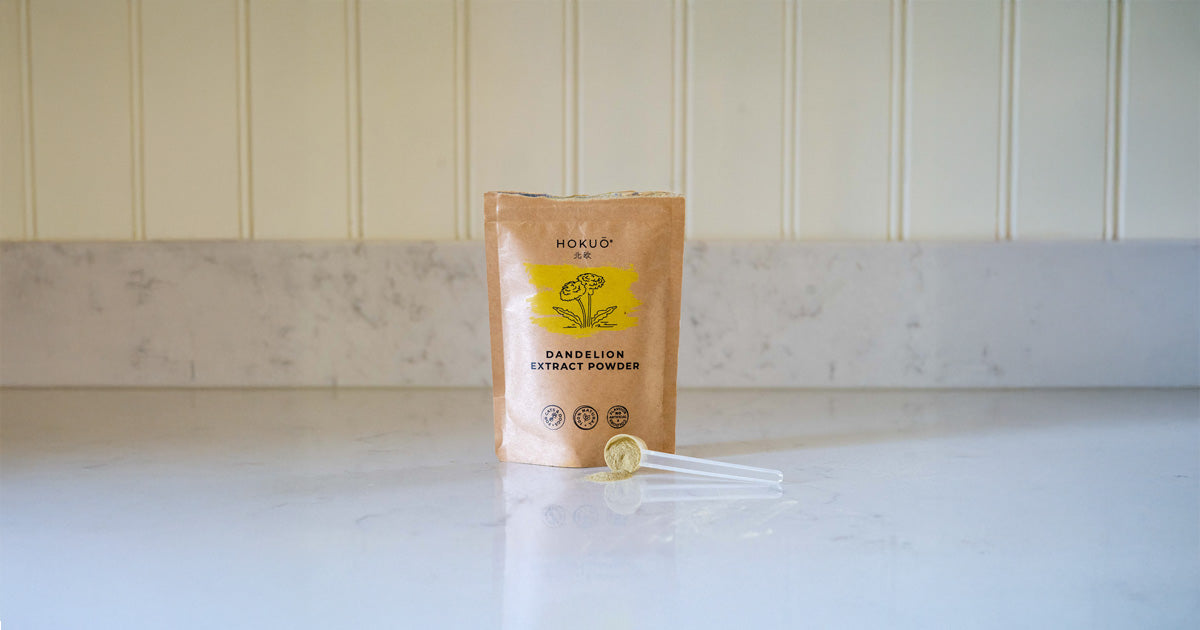
Dandelion root extract benefits for cats and dogs

Dandelion Root and Flower for Cats & Dogs: Backed By Science

by Christian Adamsen on Oct 08 2025
Dandelion root and flower for cats and dogs is far more than a common garden weed — it’s a powerful, science-backed herb with wide-ranging benefits. Rich in antioxidants, flavonoids, and natural compounds, dandelion supports healthy liver, kidney, and digestive function while helping reduce inflammation and oxidative stress. Research highlights its gentle detoxifying properties and positive effects on metabolic balance.

A New Path of Food Topper for Dogs & Cats

by Ann-Kristin Meyer / HundeFoderNørden on Jul 31 2025
When your dog or cat refuses to eat Few things are more frustrating than a dog that won’t touch its food. While some dogs are adventurous, many grow attached to the smell, texture, and flavor of what they’re used to. A well-meaning switch to healthier food can easily turn into mealtime battles. That’s why many pet owners resort to liver pâté or squeeze tubes — quick fixes that seem to work. But here’s the catch: these are highly processed, often packed with additives, and not ideal as daily solutions. That’s where a natural, nutrient-supporting cat &  dog food topper like Hokuō® Reindeer & Duck comes in. The problem with highly processed food Most liver pâté and squeeze pastes on the market are classified as ultra-processed foods. From studies in both humans and animals, we know that ultra-processed diets negatively affect overall health—especially gut health and the delicate microbiota that live in the intestines of both humans, dogs, and cats. These microbiota play a key role in your pet’s well-being but are easily disrupted by synthetic additives. Additionally, liver pâté contains high amounts of vitamin A. As a fat-soluble vitamin, it’s stored in the body and can easily be overdosed. Many pet owners use dried liver as treats—often the only thing their picky pet will accept. When liver pâté is also added to meals, it’s easy to reach excess levels of vitamin A, which can lead to joint and skin issues. Hokuō®’s answer: A healthy and tasty topper So, what do you do when your dog or cat will only eat if the food is "upgraded" with liver pâté or paste? That was the question that inspired the development of  Hokuō® Reindeer & Duck Topping  . Christian wanted to create a topper that was both incredibly tasty and health-promoting—something safe to use daily without risking nutritional imbalance. On the contrary, it should support the animal’s health and well-being. That’s when Christian reached out to me. He had already crafted a well-thought-out sauce and wanted help adjusting the recipe—and the production method—so that it could become a daily part of a pet’s meal plan while still offering real nutritional value. Benefits of Hokuō® Reindeer & Duck Topping The result is a topper with a variety of nutritional benefits for dogs and cats who get to enjoy it: Collagen from cartilage : Supports the gut lining and may help prevent digestive disorders. Vegetable fibers : Feed the beneficial gut bacteria, contributing to better digestion and general well-being. Small amounts of liver and heart : Just enough to create a rich taste and add nutrients—without risking vitamin A overload. Explore Now "Especially this last detail shows how far Christian goes to get the most out of every product—and as a nutrition expert, I deeply respect that!" - Ann-Kristin Meyer // HundeFoderNørden Gentle processing for maximum nutrition Since the sauce is a processed product, it was crucial to design the production in a way that preserves as many nutrients as possible—while avoiding synthetic additives. This is achieved by: Using low processing temperatures and rapid cooling afterward. Cooking animal and plant ingredients separately to minimize the Maillard reaction , which can reduce protein digestibility. Why is this important? Because the vegetables in the sauce don’t just provide fiber—they also contain starch and sugar. When protein-rich ingredients like liver, heart, and cartilage are cooked together with sugar- or starch-rich ingredients, the Maillard reaction kicks in. This reaction makes it harder for your pet to absorb the protein in the food. In other words: protein digestibility drops, and your pet gets less nutritional value from the meal. By cooking the animal and vegetable ingredients separately, and only mixing them after cooking, this reaction is minimized—so your pet can benefit from more of the nutrition in every bite. Once again, this shows how far Christian goes to get the very best out of his products—and that’s something I truly admire! The Author: Ann-Kristin Meyer MSc in Animal Science from the University of Copenhagen, specializing in canine nutrition, Owner of HundeFoderNørden Why Omega-3 Fatty Acids Matter for Your Dog’s Health Read more 3 Easy Summer Lickmat Recipes for Cats & Dogs Read more Bone Broth for Dogs and Cats: Liquid vs Dehydrated? Read more

Why Omega-3 Fatty Acids Matter for Your Dog’s Health

by Ann-Kristin Meyer / HundeFoderNørden on Jul 22 2025
Why All the Talk About Omega-3 Fatty Acids? If you own a dog, chances are you’ve been part of at least one conversation about dog food. And quite often, that conversation ends up focusing on one specific nutrient: omega-3 fatty acids. But why is there so much hype around omega-3s in dog food? What makes omega-3 fatty acids so special compared to other nutrients? And what should you be aware of when choosing omega-3 supplements for your dog? That’s exactly what you’ll learn in the following. Table of Content What Are Omega-3 Fatty Acids? Which Omega-3 Fatty Acids Exist? The Vital Physiological Functions of EPA and DHA It Doesn’t Stop There What to Know When Choosing and Storing Omega-3 Supplements for Your Dog Next Time You’re at the Dog Park… What Are Omega-3 Fatty Acids? Omega-3 fatty acids are polyunsaturated fats essential to a range of physiological processes. They belong to the group of long-chain fatty acids, making them particularly reactive and biologically active. That’s important to keep in mind when selecting an omega-3 supplement—and knowing how to store it properly. Because dogs can’t produce sufficient amounts of omega-3 fatty acids on their own, they must be supplied through the diet. This makes omega-3s essential nutrients for dogs.   See Product Which Omega-3 Fatty Acids Exist? The omega-3 fatty acids most commonly discussed in canine nutrition are alpha-linolenic acid (ALA), eicosapentaenoic acid (EPA), and docosahexaenoic acid (DHA). While all three are omega-3s, they are not equal when it comes to feeding your dog. ALA is found in many plant-based oils like flaxseed oil, hemp seed oil, and chia oil, and can be converted in the body into EPA and DHA. However, dogs are not very efficient at converting ALA—only about 5–10% of it becomes EPA, and less than 1% becomes DHA. This means that plant oils—except one—can’t replace ingredients rich in EPA and DHA. That exception is algae oil, which is the only plant-based oil rich in both EPA and DHA. All other significant sources of EPA and DHA come from marine sources like fish, mussels, krill, and algae. Why EPA and DHA Are So Important  You might ask, “Why can’t I just use a good plant oil rich in ALA?” It’s usually easier and more affordable. The answer lies in the broad spectrum of physiological effects that EPA and DHA offer—but ALA does not. Although ALA is an essential fatty acid on paper, its main purpose is to serve as a precursor to EPA and DHA. And since dogs can barely make that conversion, ALA is not physiologically sufficient. It can’t meet your dog’s real omega-3 needs, especially in cases of inflammation, pregnancy and lactation, brain development in puppies, or skin and coat issues. Here’s the catch: if you're aiming for a low omega-6 to omega-3 ratio (for good reason, which we'll get into later), you can't solely rely on the numbers listed by dog food manufacturers. A ratio of 4:1 or 3:1 might look great—but if the omega-3s come primarily from ALA, the food won’t have the desired effect. The upside? You don’t need to worry about your dog getting enough ALA. You can focus entirely on EPA and DHA. Wild-caught Baltic Sprat Graphic © Hokuō® New Zealand Green-Lipped Mussel Graphic © Hokuō® The Vital Physiological Functions of EPA and DHA Anti-inflammatory Properties One key reason is EPA’s anti-inflammatory effect. This is where the omega-6 to omega-3 ratio becomes highly relevant. Arachidonic acid (AA), an omega-6 fatty acid, and EPA are both processed in the body via the same enzymatic pathways: cyclooxygenase (COX) and lipoxygenase (LOX). These enzymes convert the fatty acids into eicosanoids, hormone-like messengers that help regulate inflammation. When AA is processed, it mainly creates eicosanoids that promote inflammation, pain, fever, and the attraction of white blood cells—essential during an acute infection. But too much AA activity can lead to chronic inflammation. EPA, on the other hand, is converted into eicosanoids that counteract inflammation. Since EPA and AA compete for the same enzymes, a higher EPA concentration in the bloodstream helps reduce the dog’s inflammatory response. EPA and DHA are also precursors to specific signaling molecules that actively resolve inflammation and support tissue repair. Role in Joint Health and Osteoarthritis This anti-inflammatory action is also why omega-3s play such a key role in managing osteoarthritis. Osteoarthritis is a low-grade, chronic inflammation of the joints. The anti-inflammatory properties of EPA and DHA can reduce joint swelling, pain, and stiffness. Studies have shown that dogs with osteoarthritis supplemented with marine omega-3s walked better and longer, showed less pain behavior, and needed fewer NSAIDs. There’s also potential for EPA and DHA to slow down the progression of osteoarthritis by reducing cartilage breakdown. Brain Development and Cognitive Function Marine omega-3s aren’t just good for inflammation—they’re also crucial for brain health. DHA, in particular, is vital for nervous system development in puppies and maintaining cognitive function in older dogs. That’s not surprising, given that DHA is a key structural component and the most abundant fatty acid in the canine brain. Several studies suggest that puppies given DHA supplements after weaning learn faster, show improved cognition, and have better memory compared to those that didn’t get DHA. The same applies to puppies whose mothers received DHA during pregnancy—they performed significantly better in behavioral and cognition tests. It Doesn’t Stop There And no, the benefits don’t stop here. EPA and DHA also support the skin barrier, contributing to better skin and coat health. The cardiovascular system also benefits from marine omega-3s, and DHA has been shown to improve not only cognition but also visual development in puppies. A recent observational study even suggests that including marine omega-3s in puppy diets may significantly reduce the risk of epilepsy later in life. What to Know When Choosing and Storing Omega-3 Supplements for Your Dog Choose fish oils or other omega-3 supplements from sustainable sources that are tested and purified for contaminants like heavy metals and PCBs. Omega-3s are very sensitive to oxidation (remember: highly reactive and biologically active). Oxidized fats are not just ineffective—they can actually harm your dog’s tissues by forming free radicals. The Totox value (short for total oxidation) is a measurement of how oxidized an oil is. The lower the Totox value, the less oxidized the oil. Aim for a Totox value under 5. Unfortunately, this value isn’t always disclosed by the manufacturer. Store omega-3 supplements in a way that protects them from light, heat, and oxygen. Keep them in the fridge and use them within a few weeks. You can also meet your dog’s omega-3 needs by including fatty fish in their regular diet. Depending on the amount of fish, additional supplementation may not be necessary. Many complete dog foods also contain marine omega-3s—but just like supplements, they’re vulnerable to oxidation. So by the time the food reaches your dog’s bowl, the omega-3s might have lost their effectiveness. This depends on many factors: the quality of the omega-3 source, how the food is packaged, how long it’s been stored by the manufacturer, the retailer, and you—and even the size of the food bag, which affects how long the food is exposed to oxygen.   See Product   See Product Next Time You’re at the Dog Park… Next time you’re out in the dog park and the topic of dog food and omega-3s comes up, chances are you’ll know more than anyone else in the conversation—and you might even have a tip or two to share. Sources: Antonelli, C. et al. (2023). Effects of docosahexaenoic acid dietary supplementation on cognitive learning and memory in healthy puppies. Animals, 13(20), 3261. Bauer, J. E. (2011). Enhancing canine cognition with omega-3 fatty acids. Nestlé Purina Nutrition Forum. Bauer, J. E. (2006). Therapeutic use of fish oils in companion animals. Journal of the American Veterinary Medical Association, 229(11), 1761–1764. Bauer, J. E. et al. (2018). Evaluation of enrichment of diets with omega-3 fatty acids and effects on plasma fatty acid profiles in dogs and cats. Journal of the American Veterinary Medical Association, 252(12), 1470–1478. Calder, P. C. (2017). Omega-3 fatty acids and inflammatory processes: from molecules to man. Biochemical Society Transactions, 45(5), 1105–1115. Carlisle C. et al. (2024). The Effects of Omega-3 Supplementation on the Omega-3 Index and Quality of Life and Pain Scores in Dogs. Animals, 14(21):3108. Freeman, L. M. et al. (2010). The role of nutritional supplements in cardiac disease. Journal of Veterinary Cardiology, 12(3), 149–155. Fritsche, K. L. et al. (2010). Omega-3 polyunsaturated fatty acids and immune regulation. British Journal of Nutrition, 104(Suppl 2), S1–S9. Heinemann, K. M. et al. (2005). Docosahexaenoic acid supplementation during pregnancy and lactation affects visual, cognitive, and behavioral development in dogs. Journal of Nutrition, 135(8), 1960S–1964S. Hemida M. et al. (2023). Assessing the association between supplemented puppyhood dietary fat sources and owner-reported epilepsy in adulthood, among Finnish companion dogs. Frontiers in Veterinary Science, 10:1227437. Lenox, C. E. & Bauer, J. E. (2013). Potential adverse effects of omega-3 fatty acids in dogs and cats. Journal of Veterinary Internal Medicine, 27(2), 217–226. Logas, D. & Kunkle, G. A. (1994). Clinical response of canine pruritus to dietary supplementation with omega-3 and omega-6 fatty acids. Veterinary Dermatology, 5(3), 99–104. Packer, R. M. A. et al. (2023). Fish-based fat sources in puppyhood are associated with reduced risk of idiopathic epilepsy in adult dogs. Frontiers in Veterinary Science, 10, 1202192. Roush, J. K. et al. (2010). Evaluation of the effects of dietary supplementation with fish oil omega-3 fatty acids on weight bearing in dogs with osteoarthritis. JAVMA, 236(1), 67–73. Shahidi, F. & Zhong, Y. (2010). Lipid oxidation and improving the oxidative stability. Chemical Society Reviews, 39(11), 4067–4079. Zicker, S. C. et al. (2012). Cognitive and behavioral effects of dietary supplementation with fish oil in senior dogs. The Veterinary Journal, 192(3), 426–431. Zicker, S. C. et al. (2012). Evaluation of cognitive function in puppies fed dietary docosahexaenoic acid. Journal of the American Veterinary Medical Association, 240(8), 935–941. The Author: Ann-Kristin Meyer MSc in Animal Science from the University of Copenhagen, specializing in canine nutrition, Owner of HundeFoderNørden 3 Easy Summer Lickmat Recipes for Cats & Dogs Read more Bone Broth for Dogs and Cats: Liquid vs Dehydrated? Read more How Are Freeze Dried Treats for Cats and Dogs Made? Read more
homemade lickmat recipes

3 Easy Summer Lickmat Recipes for Cats & Dogs

by Christian Adamsen on May 19 2025
As the nights grow longer and the temperatures rise, it’s important to find gentle, nourishing ways to keep our pets engaged and cool. We’ve created three simple summer lickmat recipes to try — made with wholesome ingredients and cooling textures that offer hydration, lightness, and calm Summer Lickmat Recipes Made for Slow Days These three lickmat recipes were created with that rhythm in mind: light, refreshing, and full of natural goodness. Perfect for cats and dogs to enjoy during those slow, sun-filled afternoons. Developed in collaboration with a certified pet nutritionist, each recipe uses safe, nourishing ingredients that support digestion and calm. Think of them as summer in every lick — cool, grounding, and made with care. Explore the Recipes Berry Broth Breeze (Cats & Dogs) Dandelion Dream Cream (Cats & Dogs) Strawberry Mint Cooler (Dogs Only) Berry Broth Breeze (Cats & Dogs) What You'll Need 75 ml Bone Broth of your choice A handful of freeze-dried berries If you’ve ever enjoyed a scoop of berry sorbet on a warm evening, you’ll understand this one.A simple mix of bone broth and berries, created to capture that summer pause — gentle and cooling for both cats and dogs. How to Make It Pour the bone broth gently over the lickmat, covering the surface evenly. Sprinkle freeze-dried berries over the top, letting them settle into the liquid. Place in the freezer for about 2 hours. Once frozen, serve for a refreshing, light treat. Did you know: The berry mix includes blueberries, raspberries, strawberries, and blackberries — all full of antioxidants and fiber. Combined with elk bone broth , rich in natural nutrients, it’s a hydrating, nourishing boost for both cats and dogs. Shop Now Shop Now Shop Now Dandelion Dream Cream (Cats & Dogs) What You'll Need 75 ml plain, unsweetened kefir Your pets dosage of Hokuō® Dandelion Extract Powder A small handful of freeze-dried berries Optional: a few fresh dandelion leaves for colour The first sign of summer? A dandelion in bloom.This recipe honours that quiet beauty with creamy kefir, sweet berries, and the soft power of dandelion — grounding and nourishing in every lick. How to Make It Mix the kefir and dandelion powder in a small bowl until smooth and blended. Spread the mixture gently across the lickmat. Crush the dried berries slightly and scatter them over the top. Add a few fresh dandelion leaves if desired. Freeze the mat for at least 2 hours. Serve cool and creamy — a nourishing moment of calm for your pet. Did you know: Dandelion isn’t just a cheerful sign of summer — it also supports liver function and digestion in both cats and dogs. Paired with probiotic-rich kefir and antioxidant-packed berries, this creamy frozen treat is soothing, nourishing, and made for warm, slow afternoons. Shop Now Shop Now Shop Now Strawberry Mint Cooler (Dogs Only) What You'll Need 6 ripe strawberries 6 fresh mint leaves 75 ml Hokuō® Elk Bone Broth A pinch of freeze-dried strawberries There’s something nostalgic about a strawberry daiquiri on a sunlit afternoon — cool, sweet, and easy. We created this dog-friendly version with that feeling in mind: refreshing, light, and made for slow summer days. How to Make It Wash the strawberries and mint leaves. Mash the strawberries until soft and chop the mint finely. Combine both in a small bowl and mix gently. Spread the mixture across the lickmat, smoothing it into the grooves. Slowly pour the elk bone broth over the top. Lightly crush a few dried strawberries and sprinkle them across the surface. Freeze for at least 2 hours. Serve straight from the freezer on a warm day. Did you know: Mint can support digestion in dogs, and strawberries offer vitamin C and natural antioxidants. When paired with elk bone broth — slow-simmered for collagen and minerals — this becomes a refreshing, belly-friendly treat on warm days. Shop Now Shop Now Shop Now Why Summer Lickmat Recipes Matter Summer invites us to slow down — and our pets feel it too. These summer lickmat recipes offer more than just cooling treats. They provide hydration, gentle nutrition, and a mindful pause in your pet’s day. Whether it’s the fruity freshness of berries, the calming benefits of dandelion, or the comfort of bone broth, each recipe is crafted to nourish both body and mood. Make these summer lickmat recipes a part of your warm-weather routine — and create soft, joyful moments your pet will look forward to all season long. Bone Broth for Dogs and Cats: Liquid vs Dehydrated? Read more How Are Freeze Dried Treats for Cats and Dogs Made? Read more 4 Homemade Lickmat Recipes for Cats & Dogs: Japandi-Inspired, Simple & Healthy Read more